 SKY
Tonight's sky
What is up tonight: the Moon, the planets and the best targets for binoculars and telescopes, with the time each is highest in a dark sky. Until your location loads, times are for New York.
The MoonWaning Gibbous86% lit
Planets up nowMercury, VenusMercury in Libra · Venus in Virgo
Dark skySunset 4:30 PMFull darkness comes about 1.5 hours after sunset.
Next meteor showerGeminidsPeaks around Dec 14 · up to 150 an hour in a dark sky
Best targets tonight
Objects that climb at least 30° above your horizon while the sky is dark, highest first. Times are your local time.
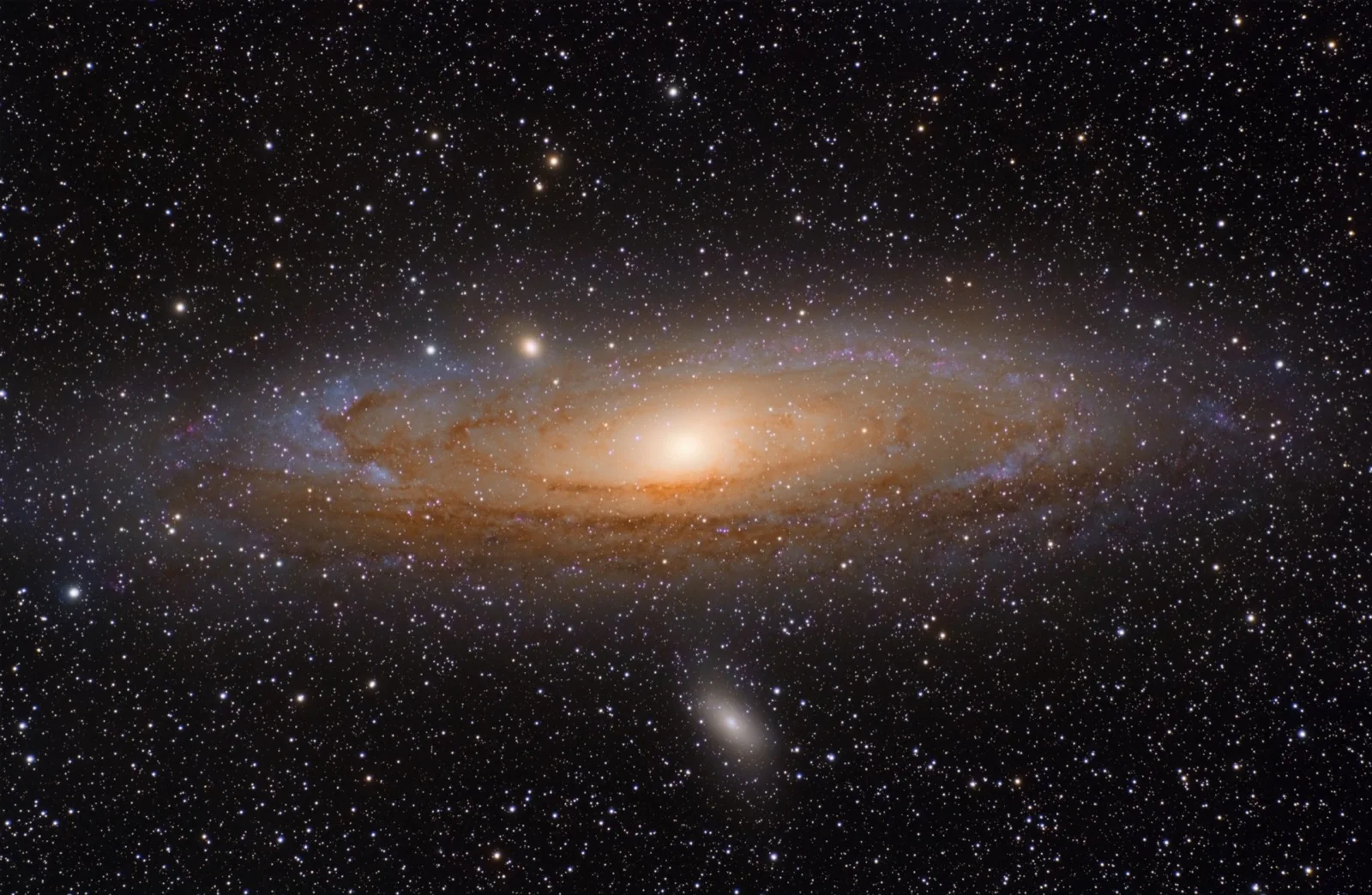 Andromeda Galaxy89° up in the northeast around 8:06 PM (New York)
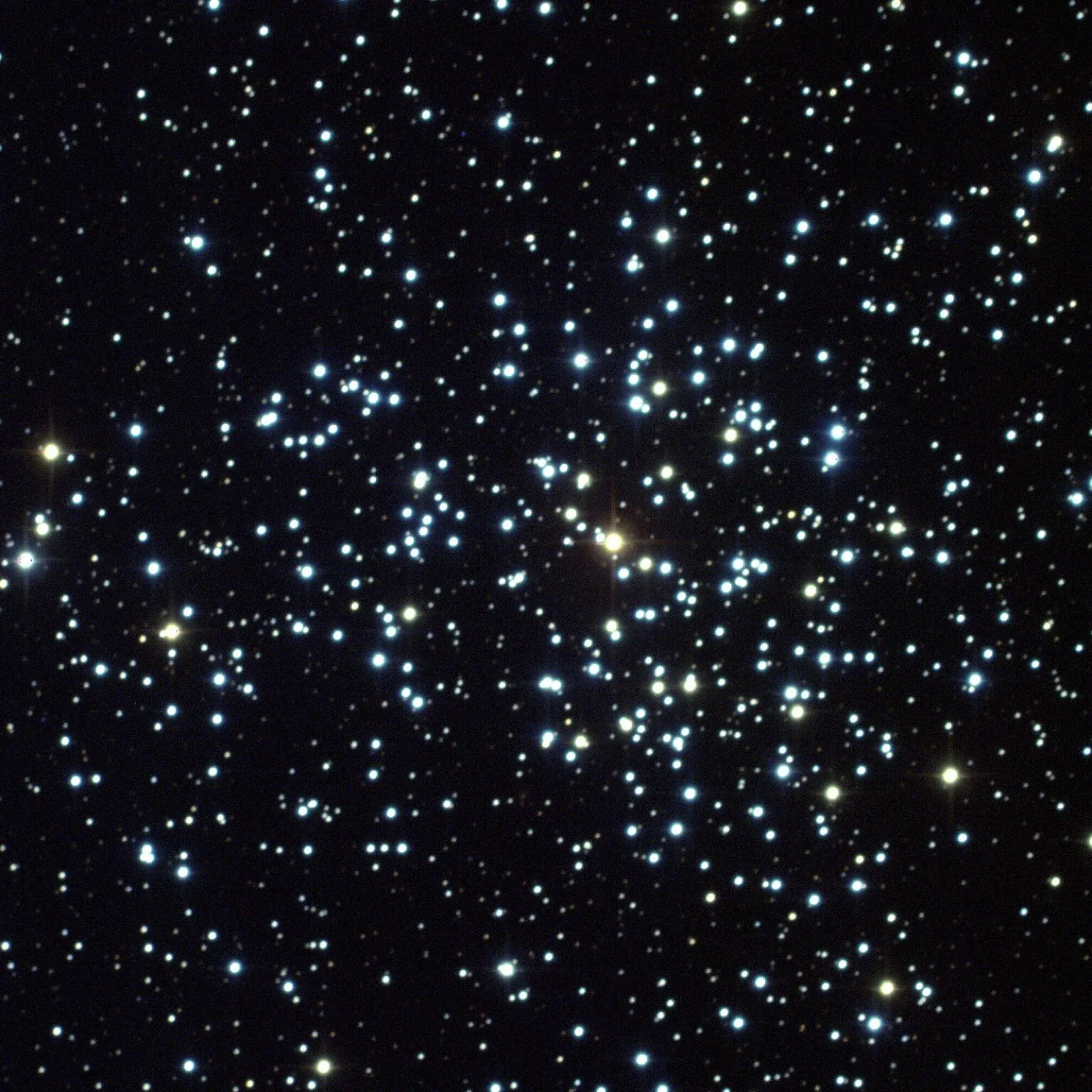 Messier 3782° up in the south around 1:21 AM (New York)
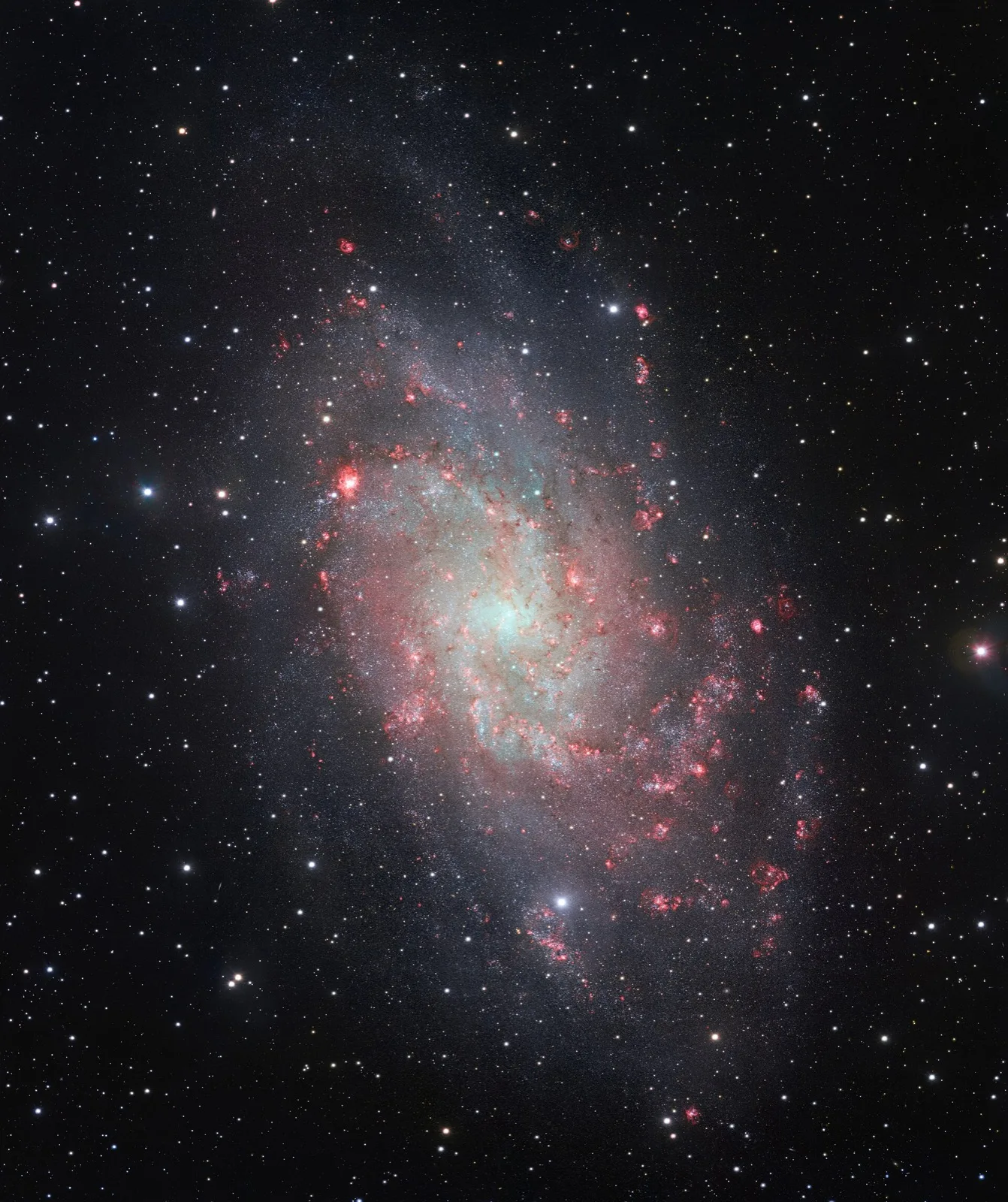 Triangulum Galaxy80° up in the south around 9:06 PM (New York)
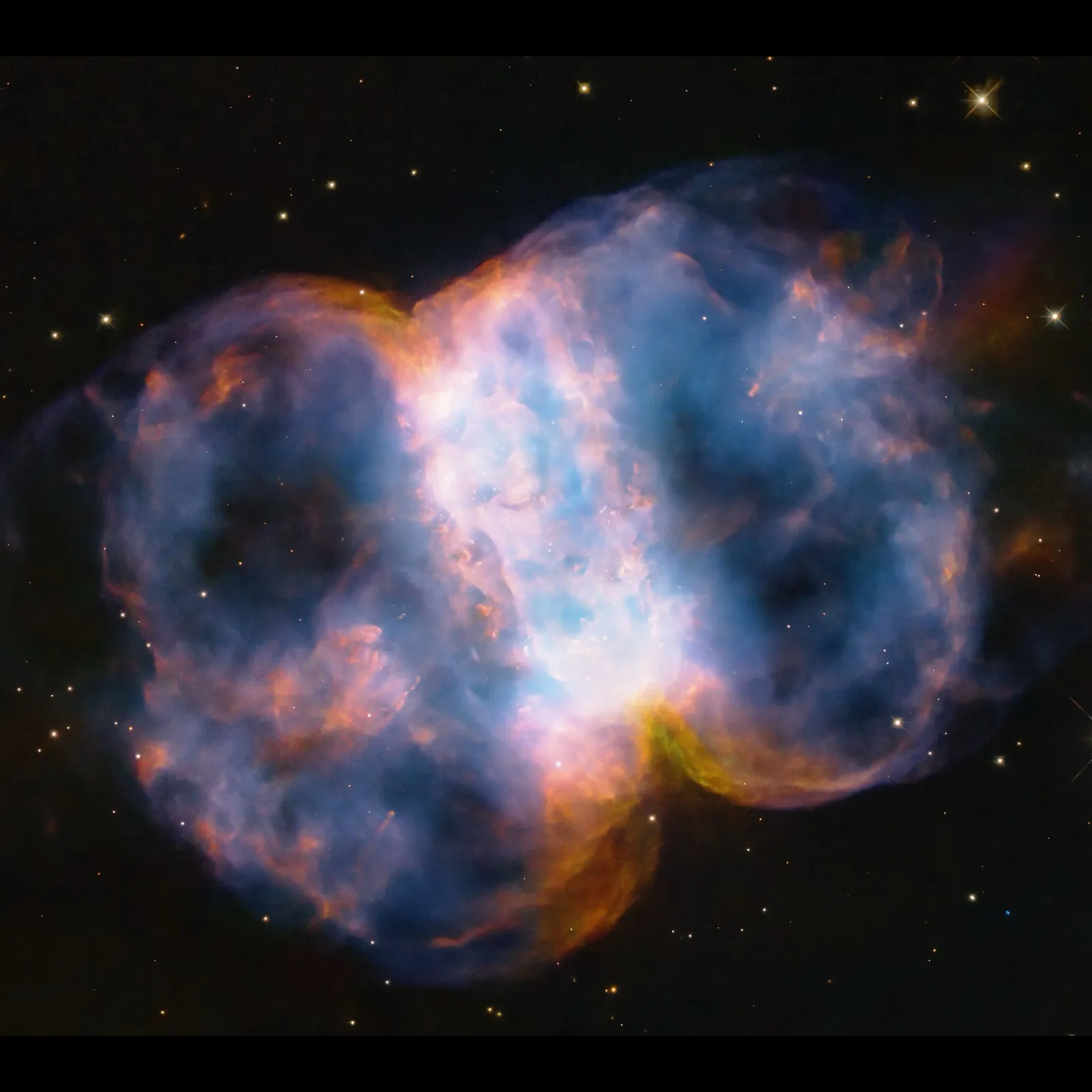 Little Dumbbell Nebula79° up in the north around 9:06 PM (New York) · needs a big telescope
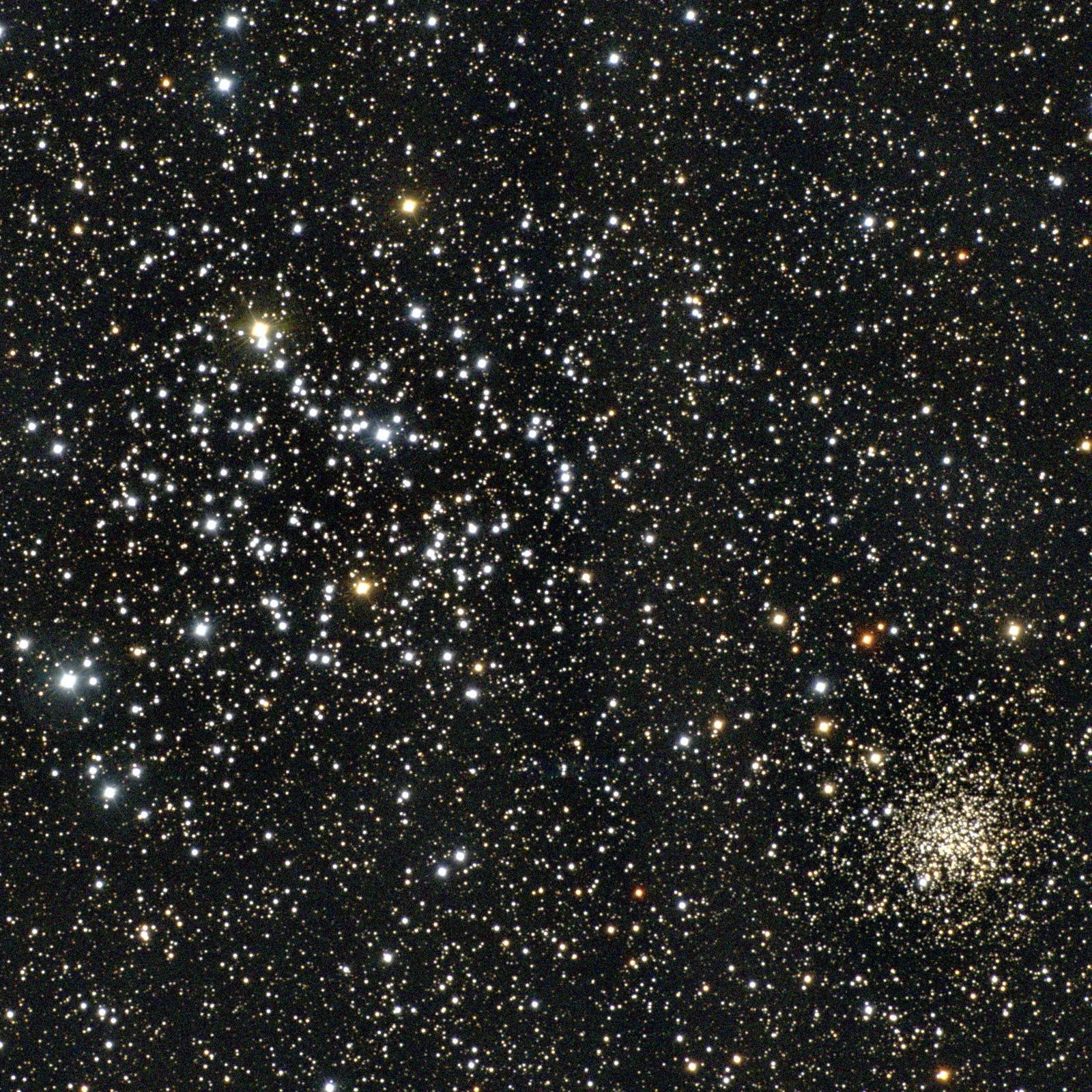 Messier 3574° up in the south around 1:36 AM (New York)
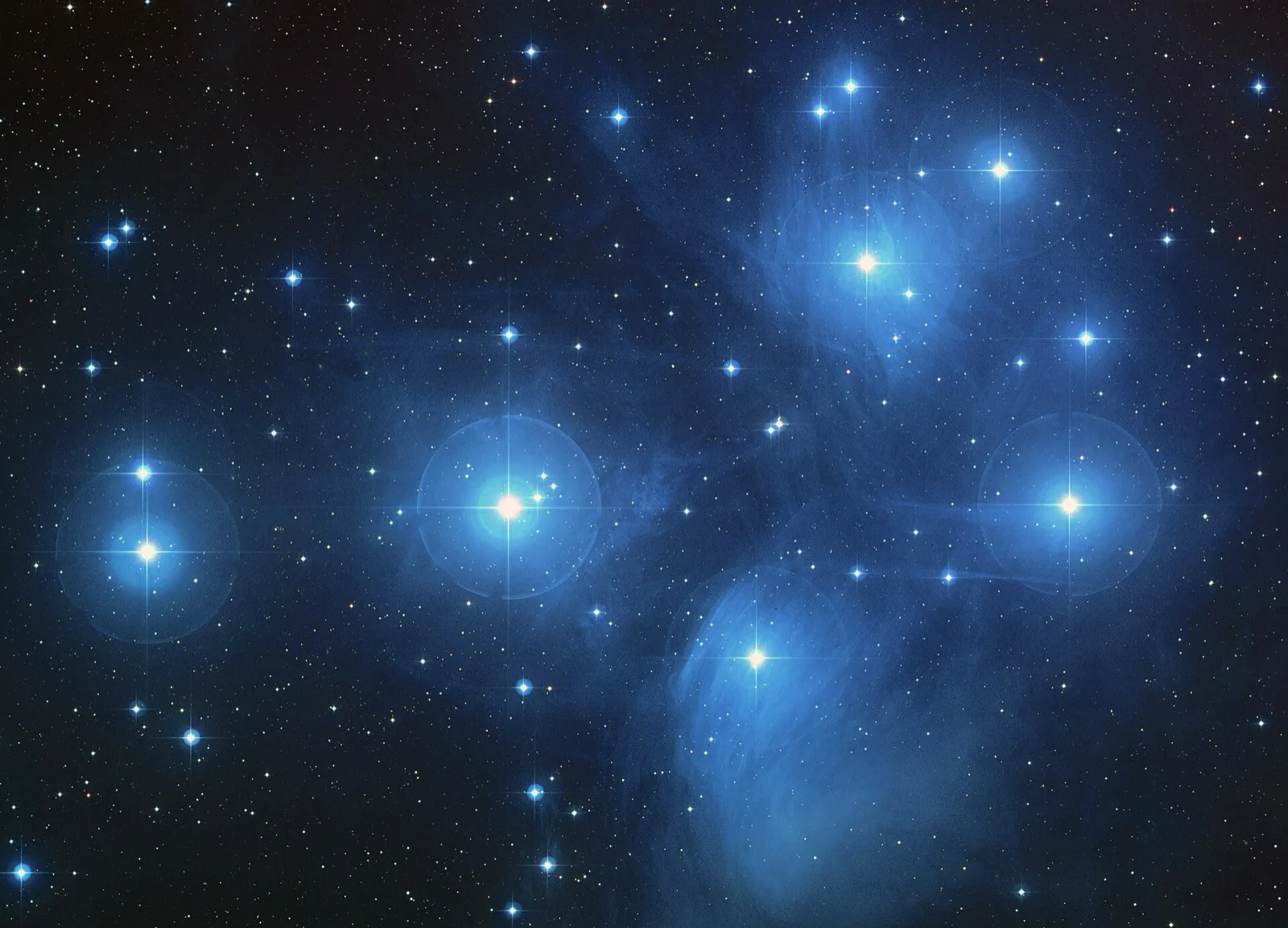 The Pleiades73° up in the south around 11:21 PM (New York)
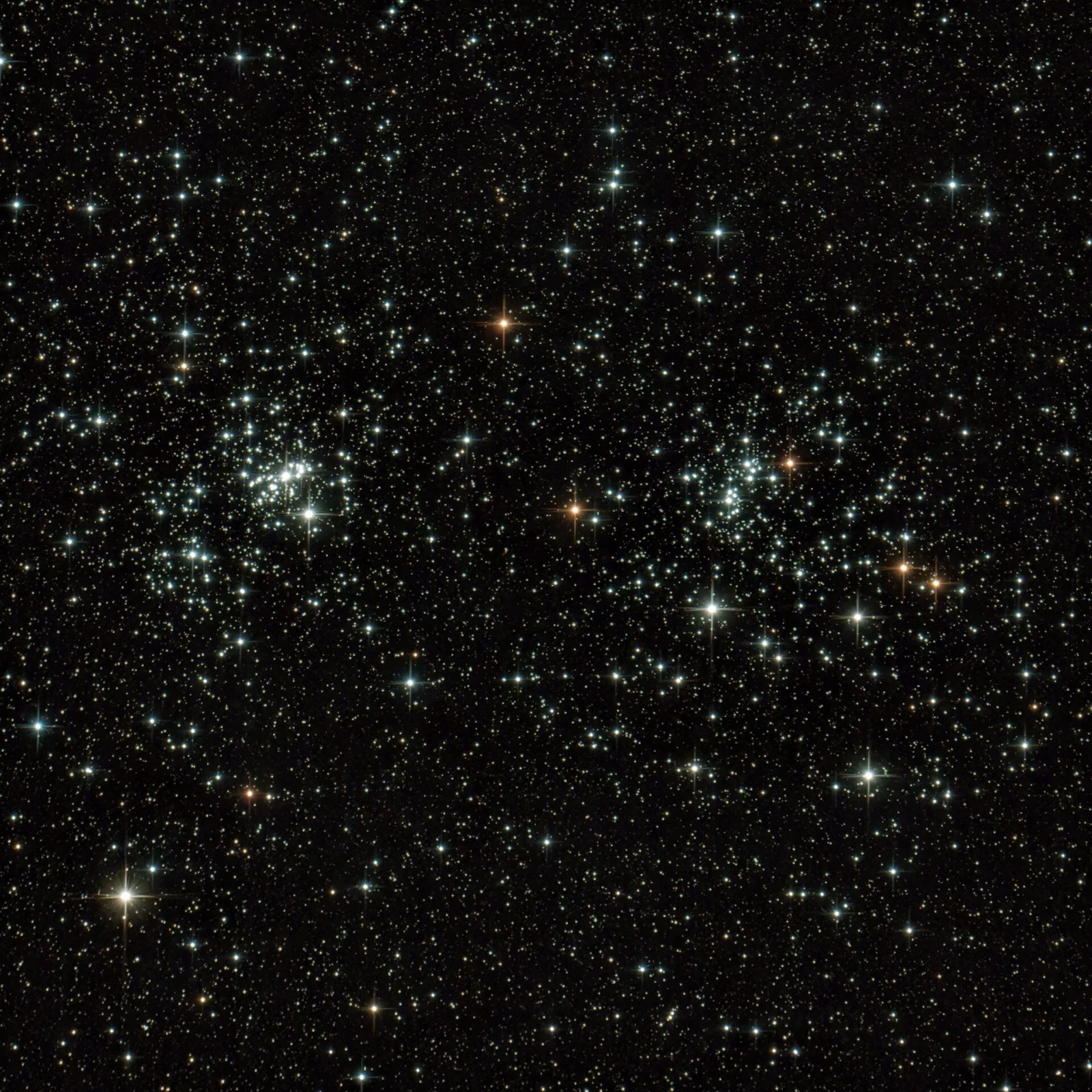 Double Cluster73° up in the north around 9:51 PM (New York)
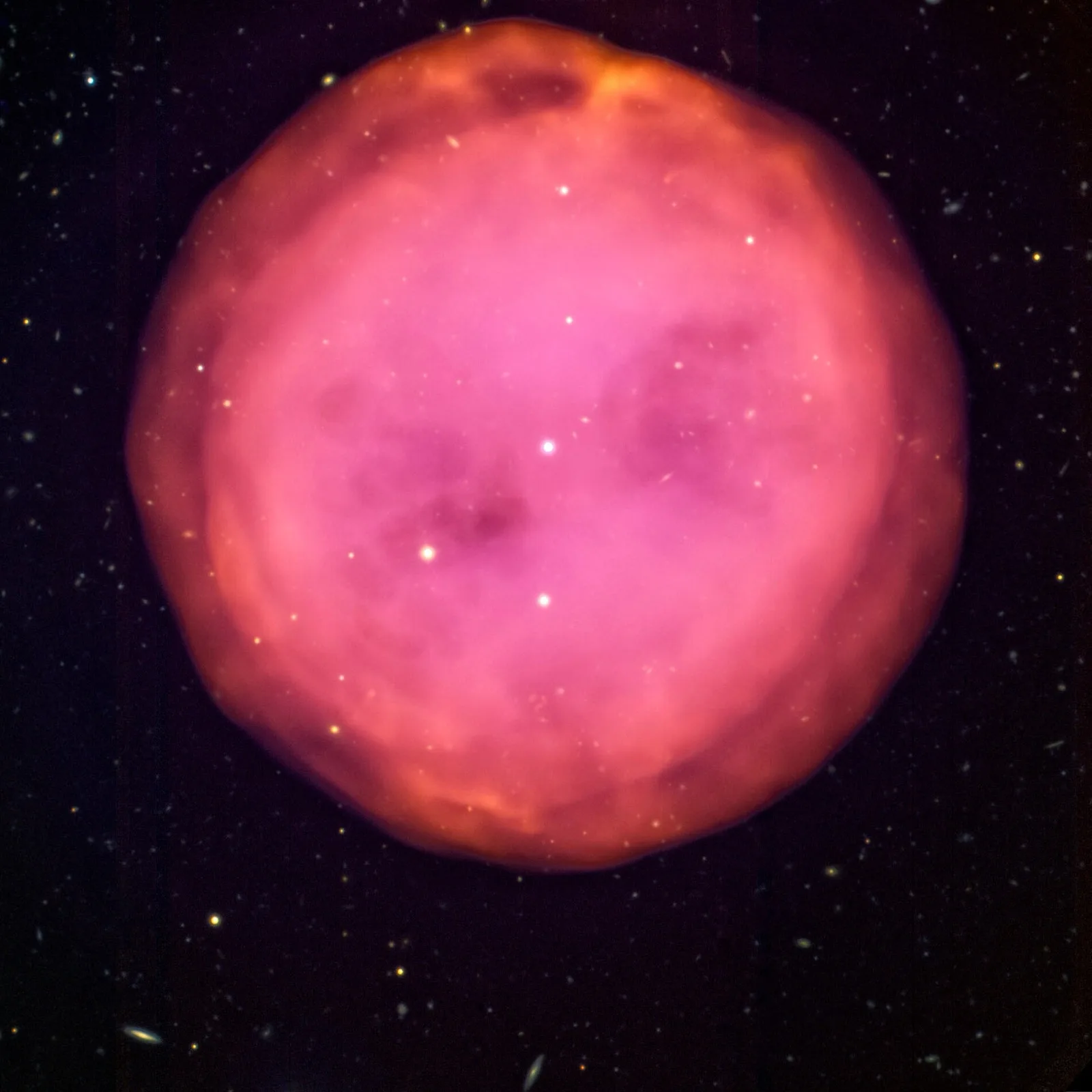 Owl Nebula72° up in the northeast around 5:36 AM (New York) · needs a big telescope
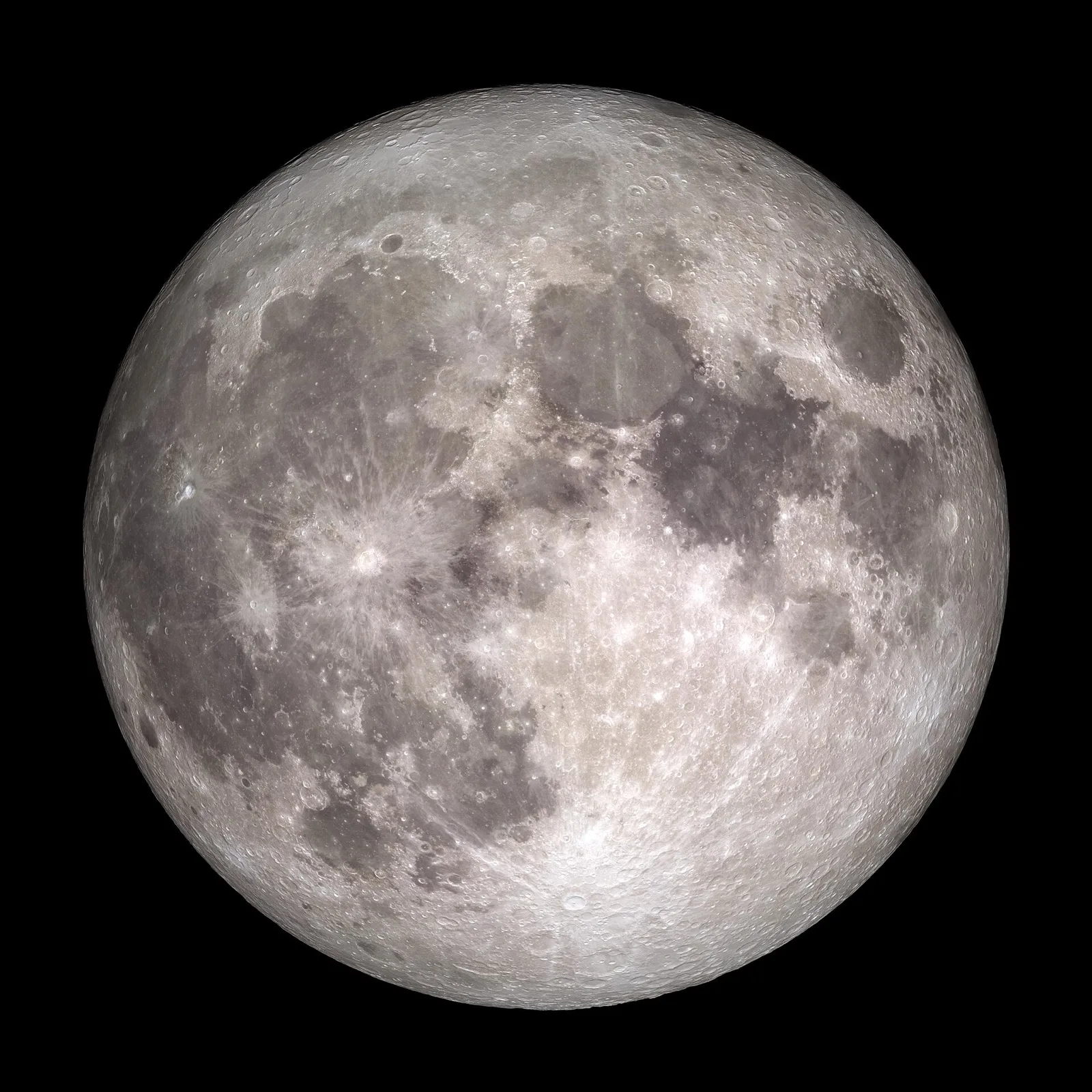 The Moon72° up in the south around 3:21 AM (New York)
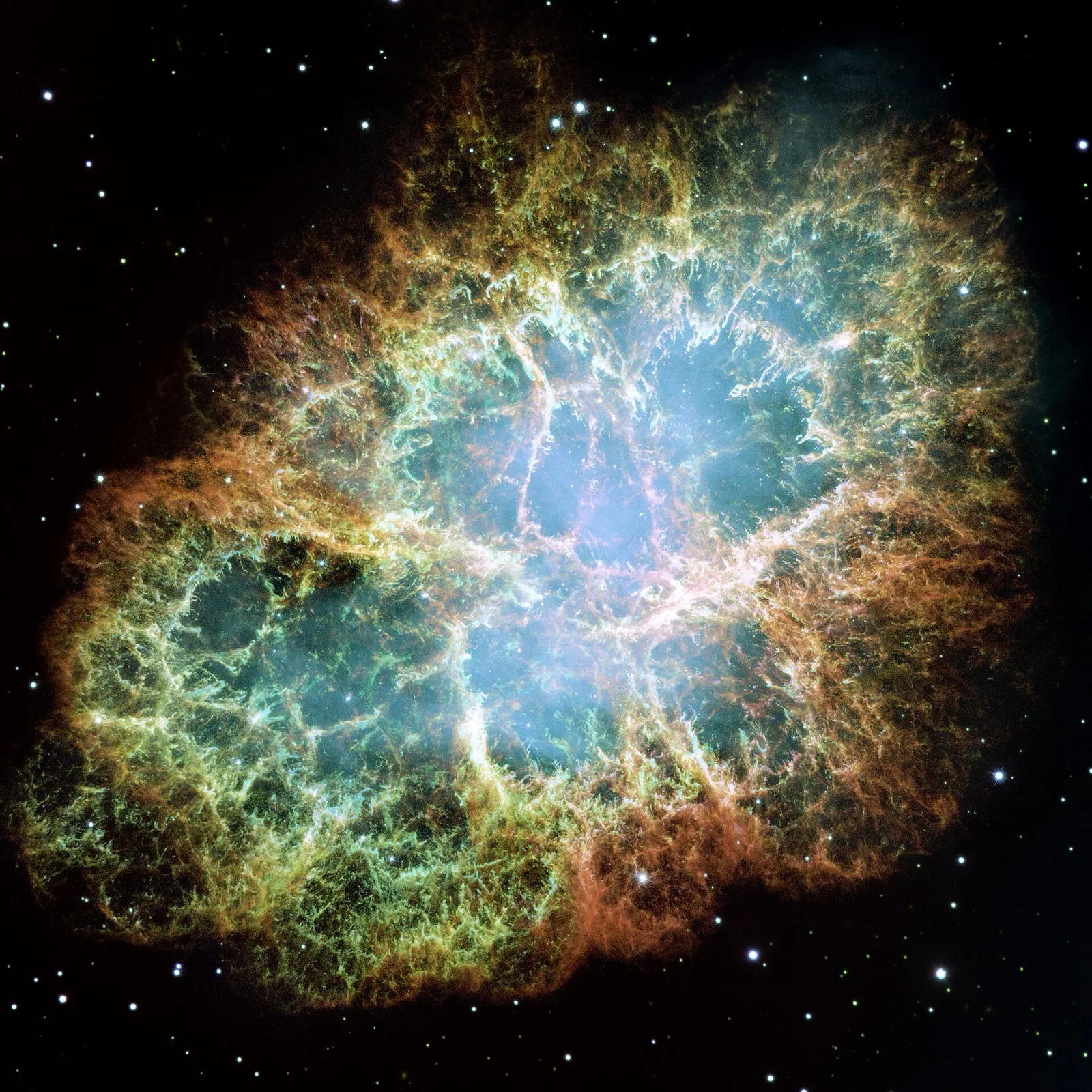 Crab Nebula71° up in the south around 1:06 AM (New York)
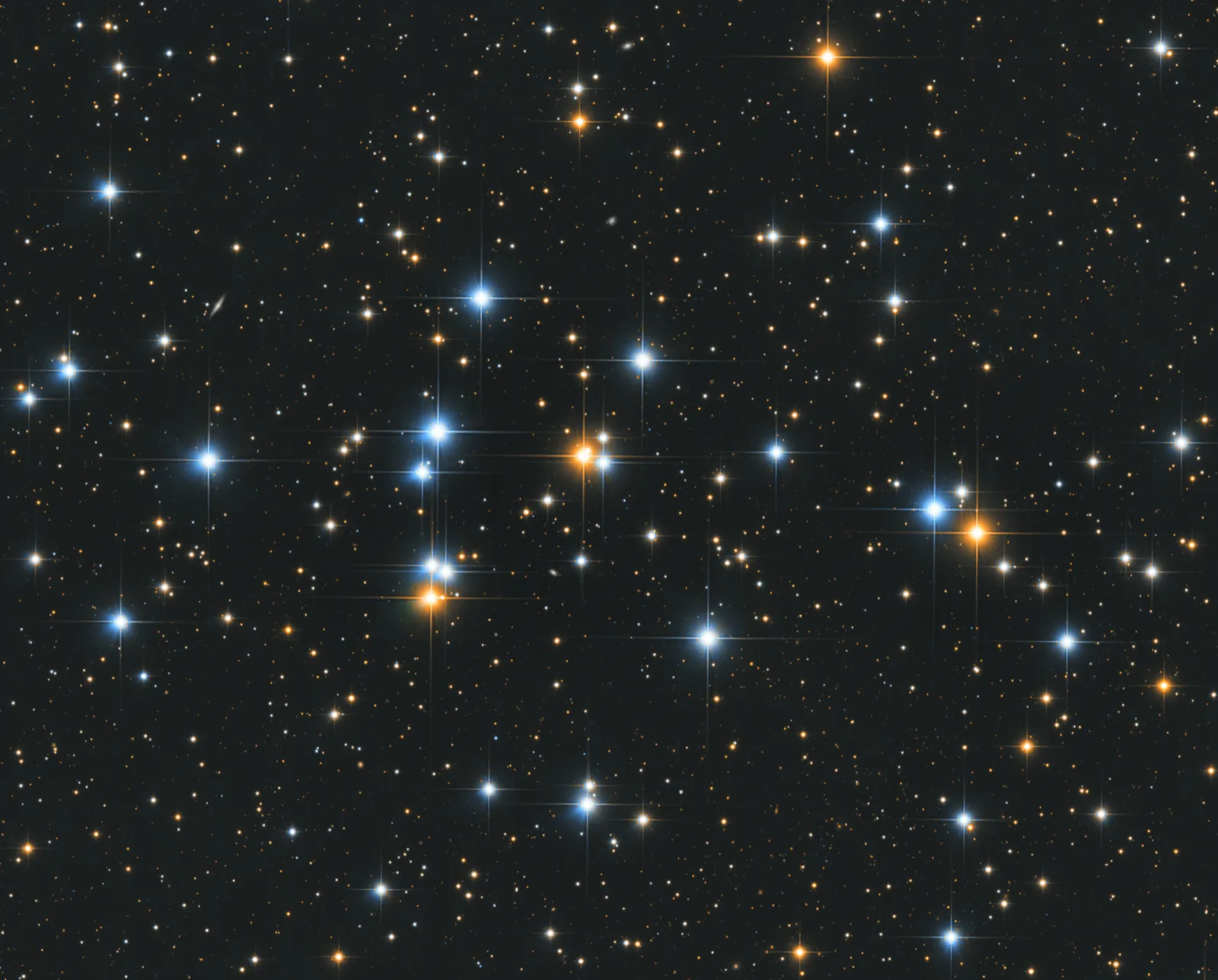 Beehive Cluster69° up in the south around 4:06 AM (New York)
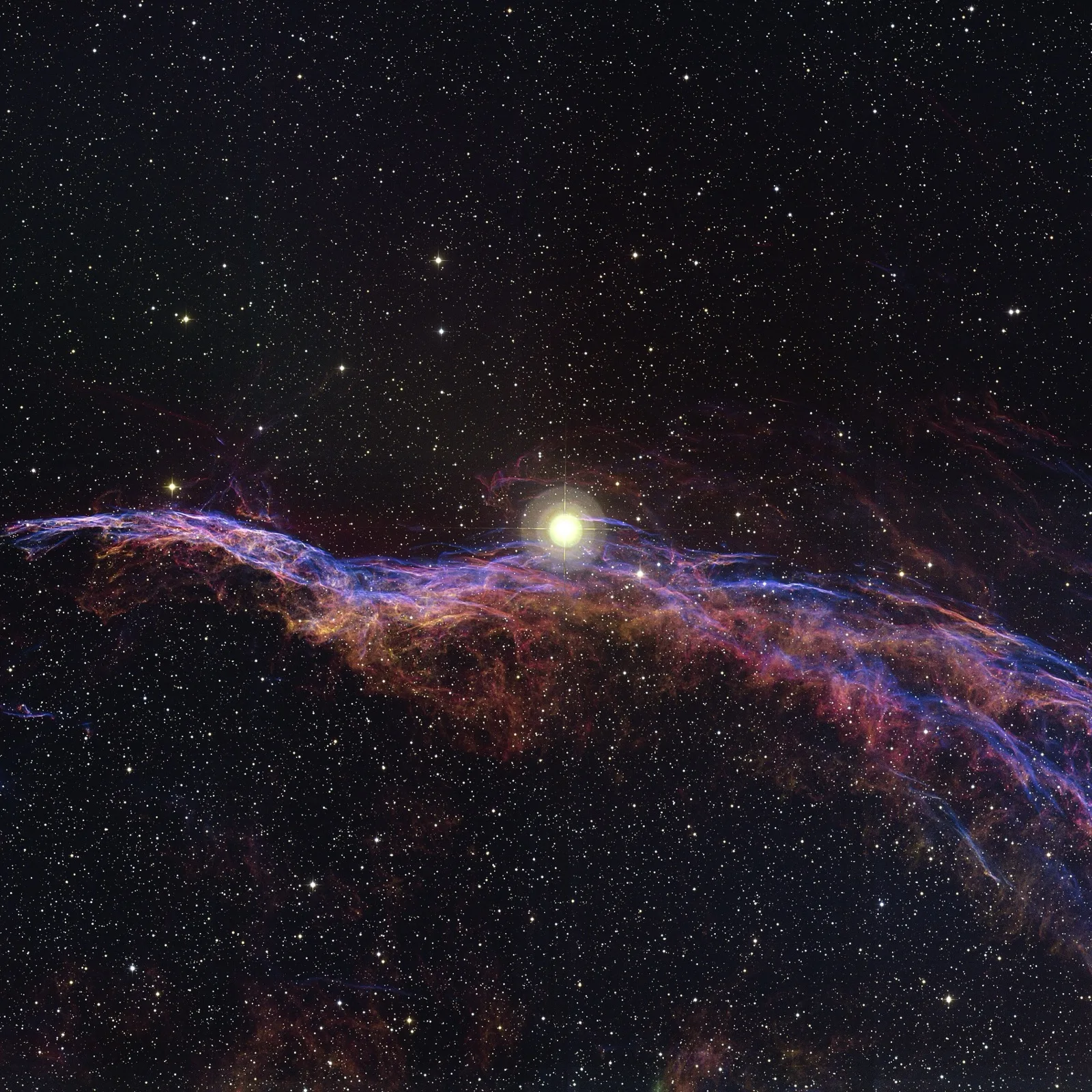 Witch's Broom (Western Veil Nebula)68° up in the west around 5:51 PM (New York)
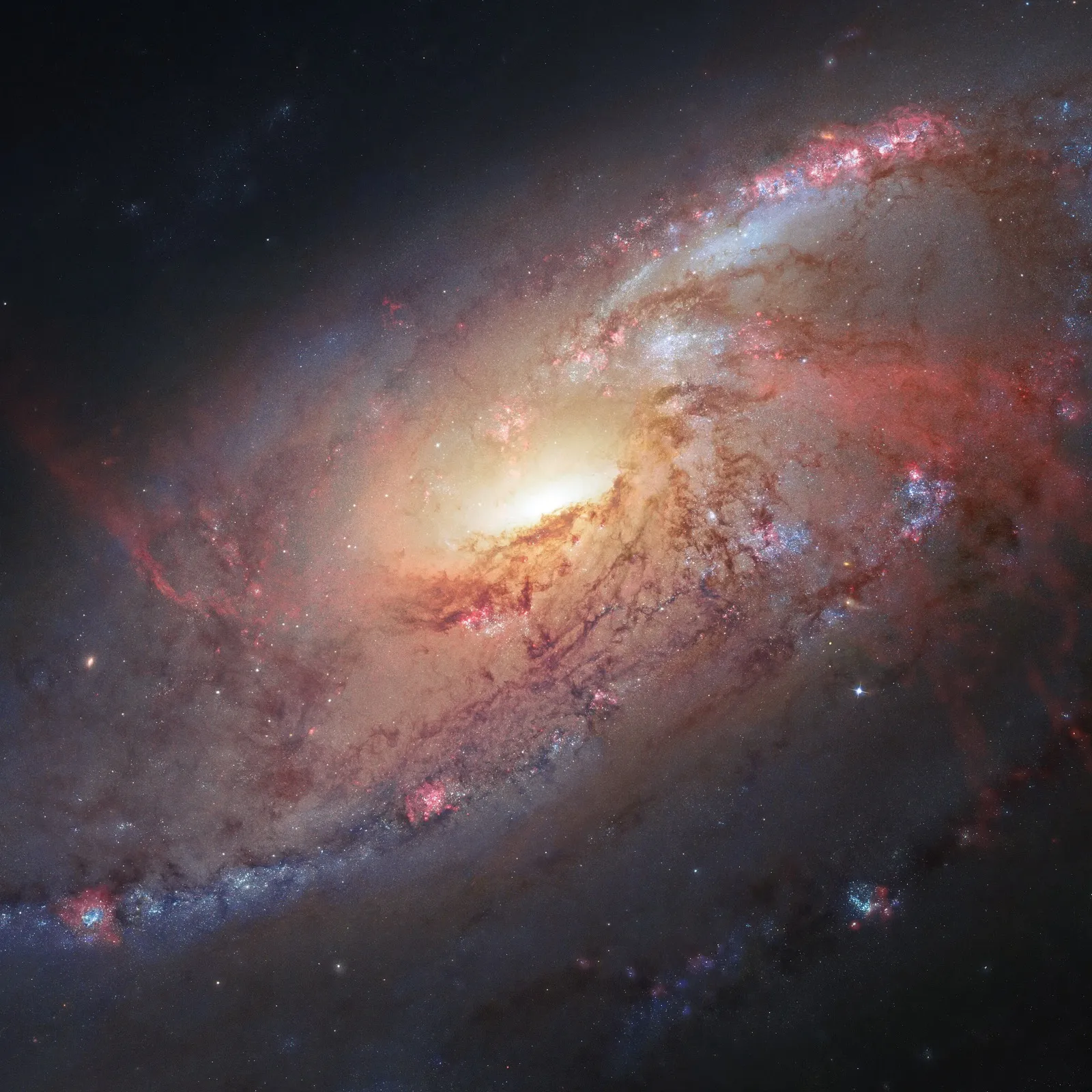 Messier 10666° up in the northeast around 5:36 AM (New York) · needs a big telescope
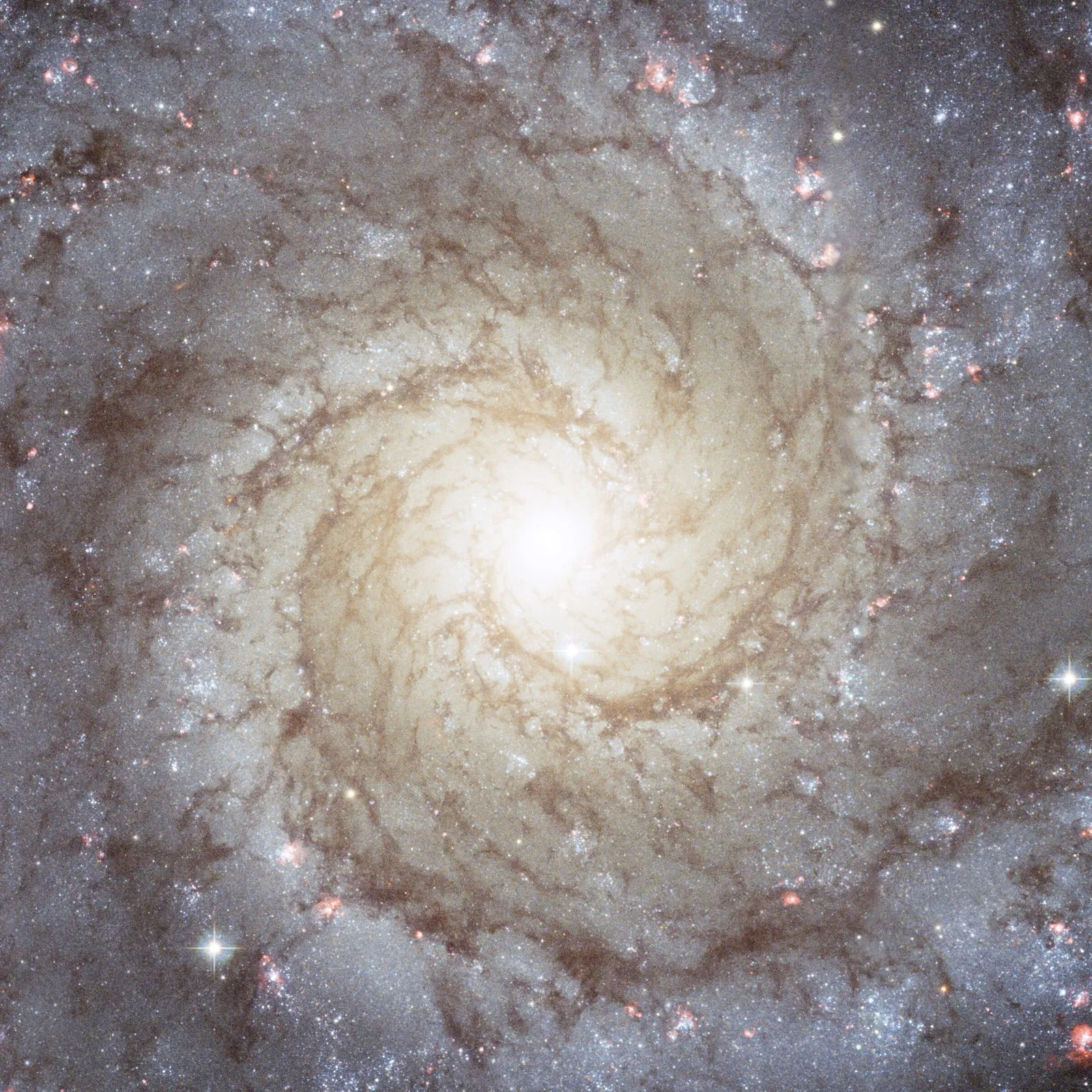 Phantom Galaxy65° up in the south around 9:06 PM (New York) · needs a big telescope
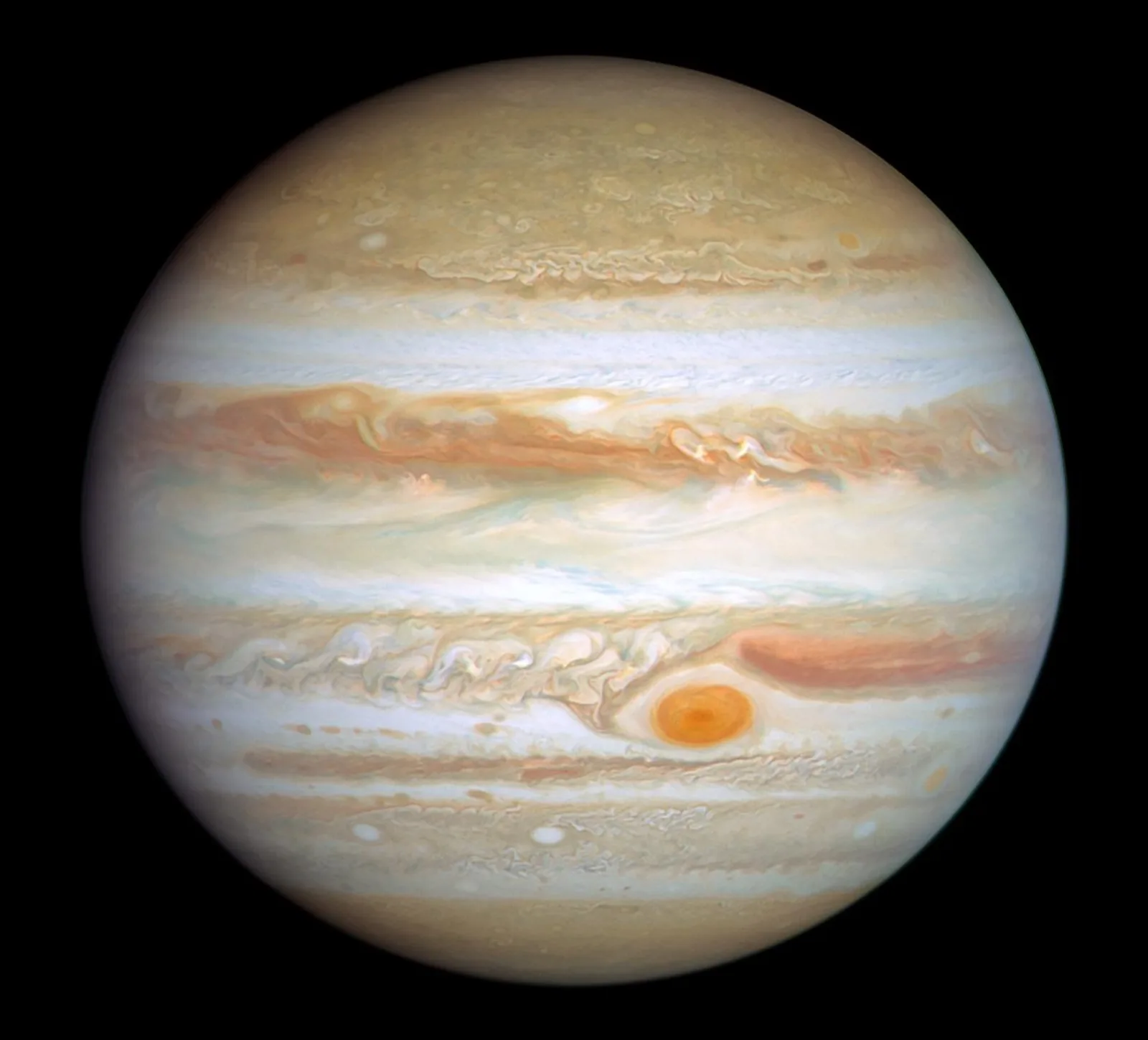 Jupiter63° up in the south around 5:21 AM (New York)
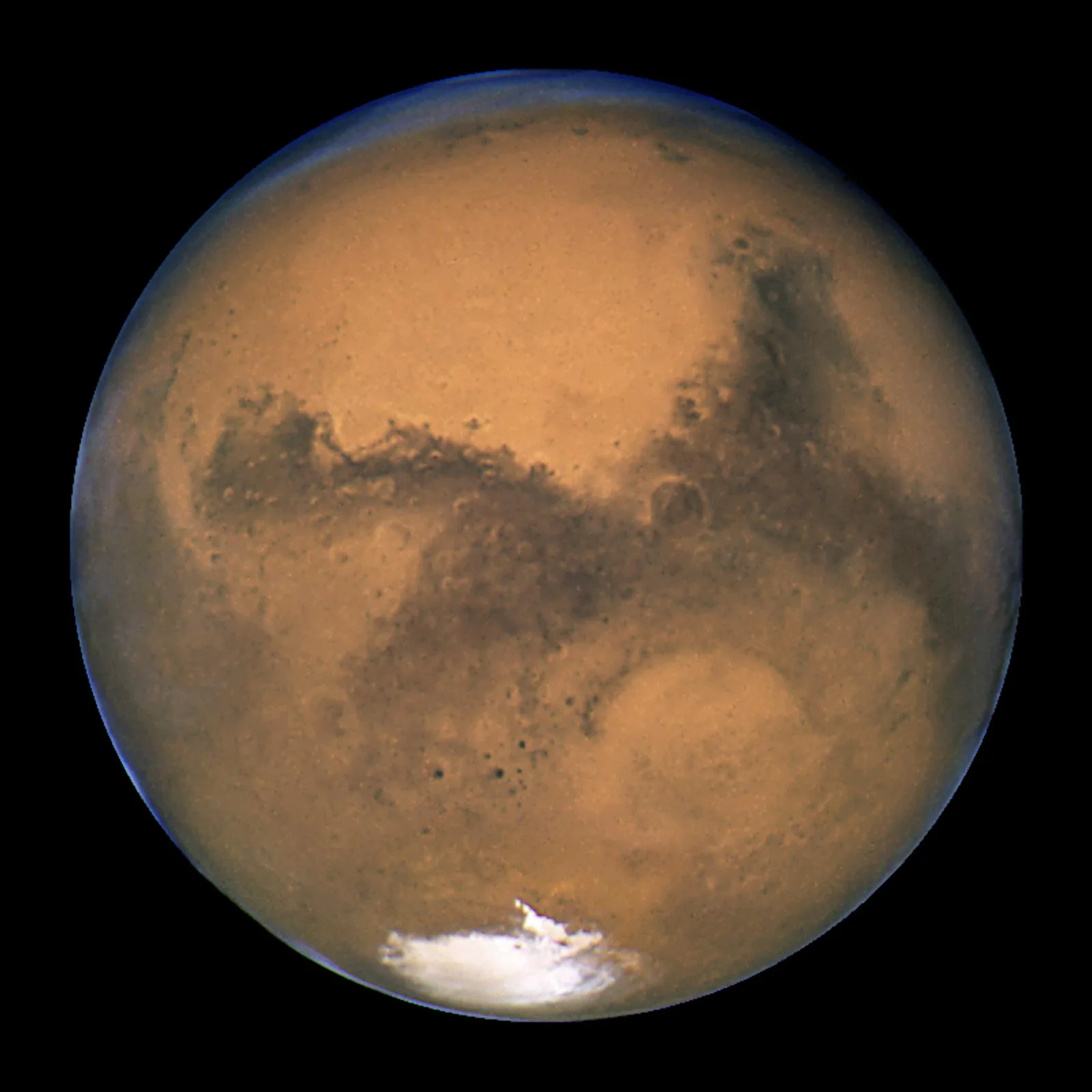 Mars63° up in the south around 5:36 AM (New York)
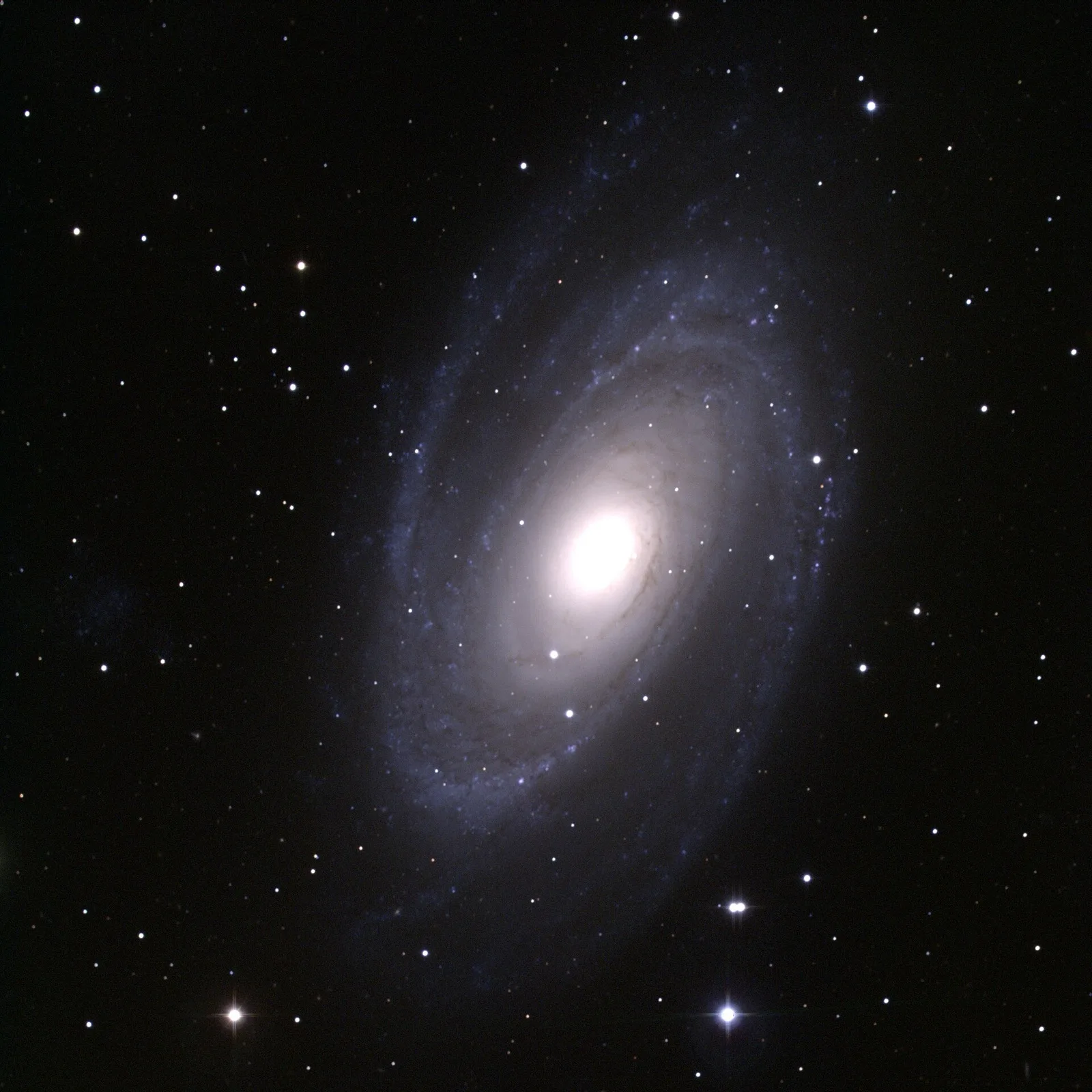 Bode's Galaxy62° up in the north around 5:21 AM (New York)
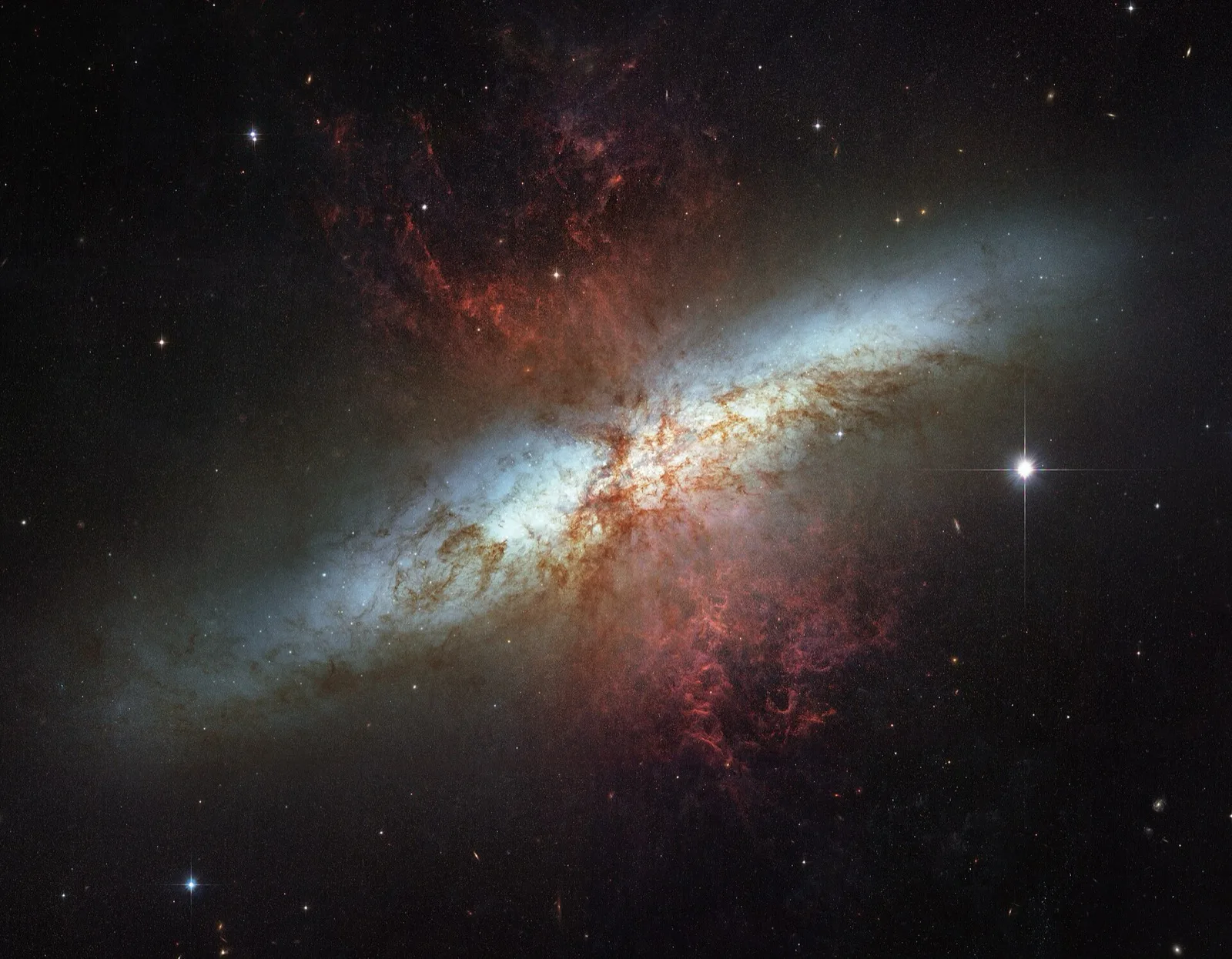 Cigar Galaxy61° up in the north around 5:21 AM (New York)
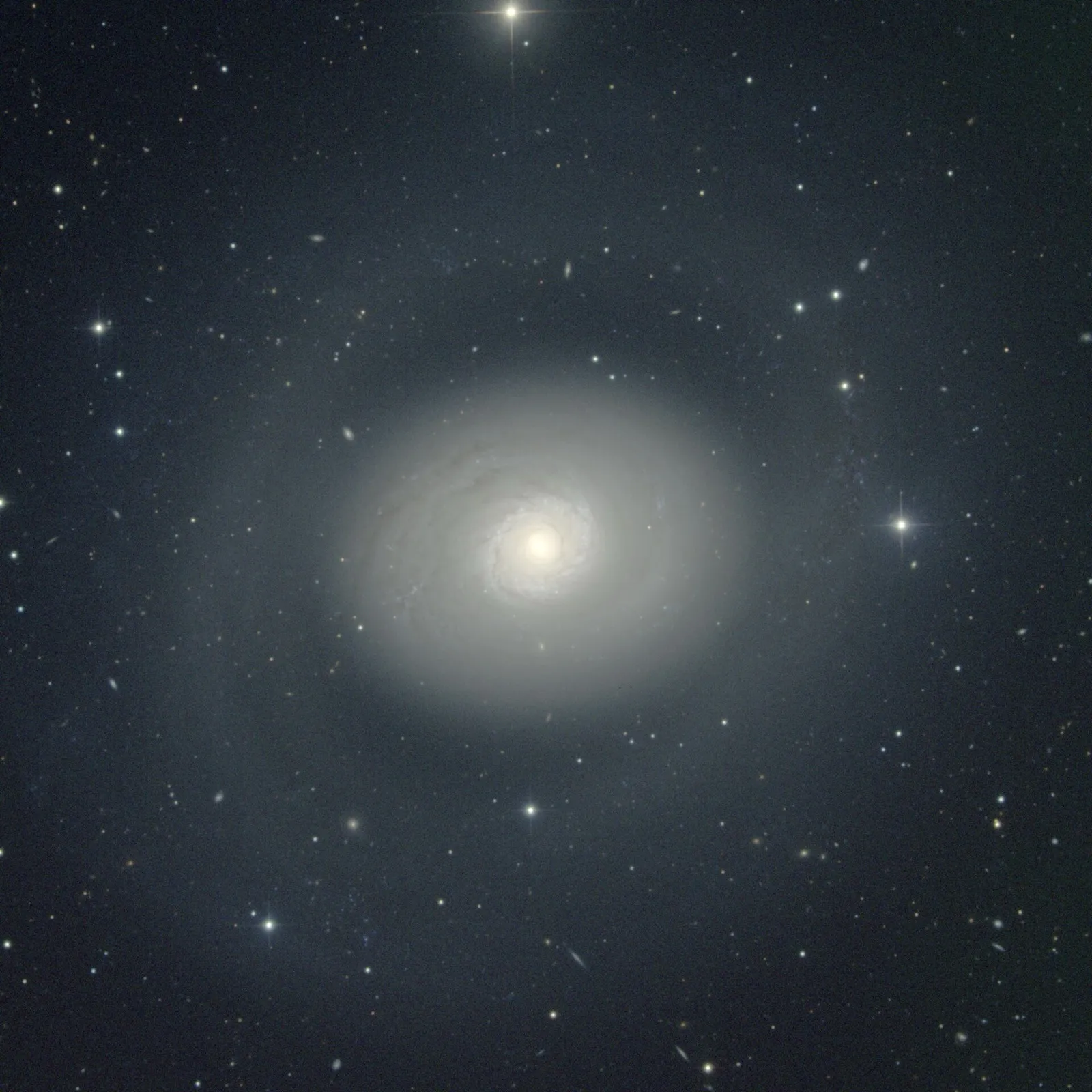 Messier 9460° up in the east around 5:36 AM (New York)
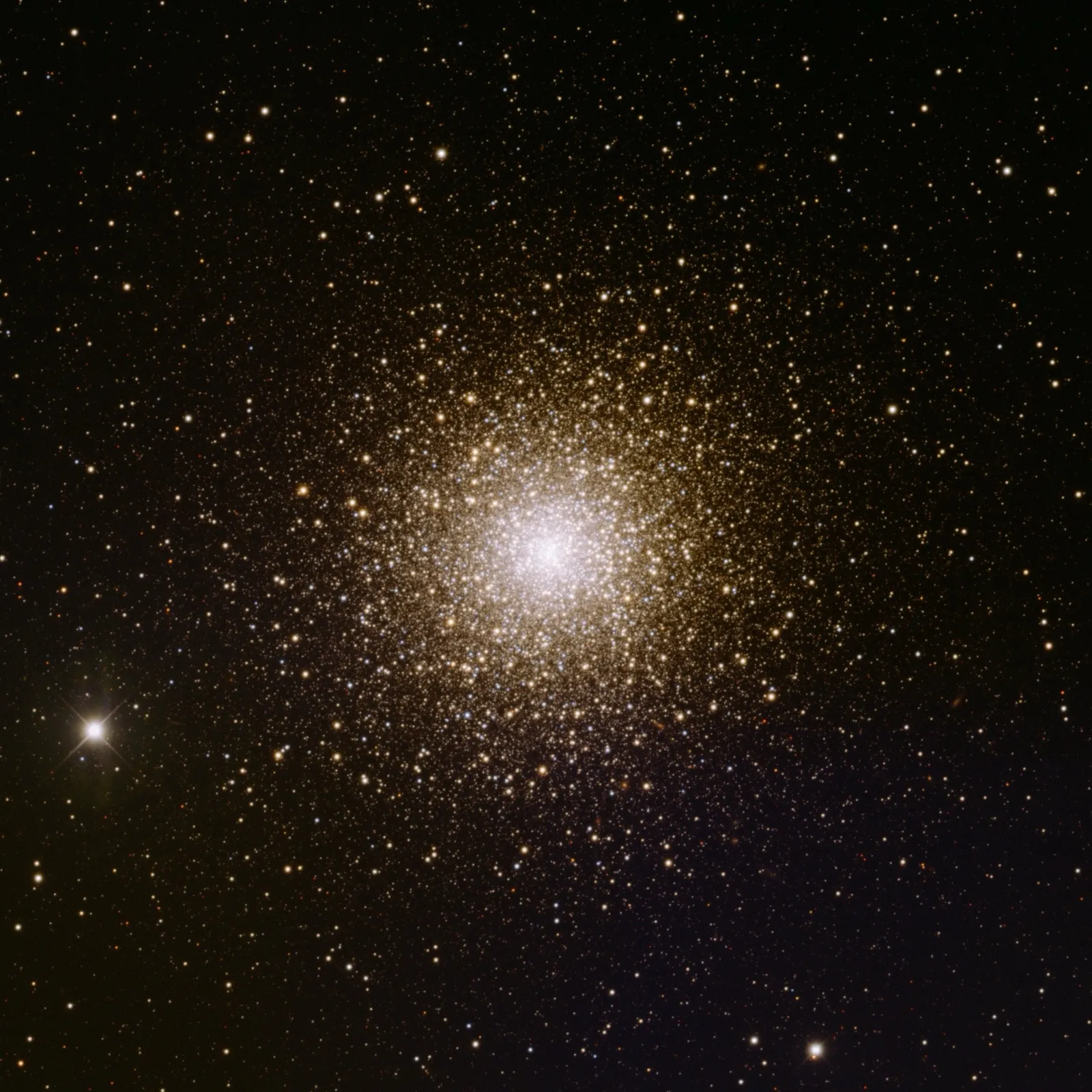 Messier 1559° up in the southwest around 5:51 PM (New York)
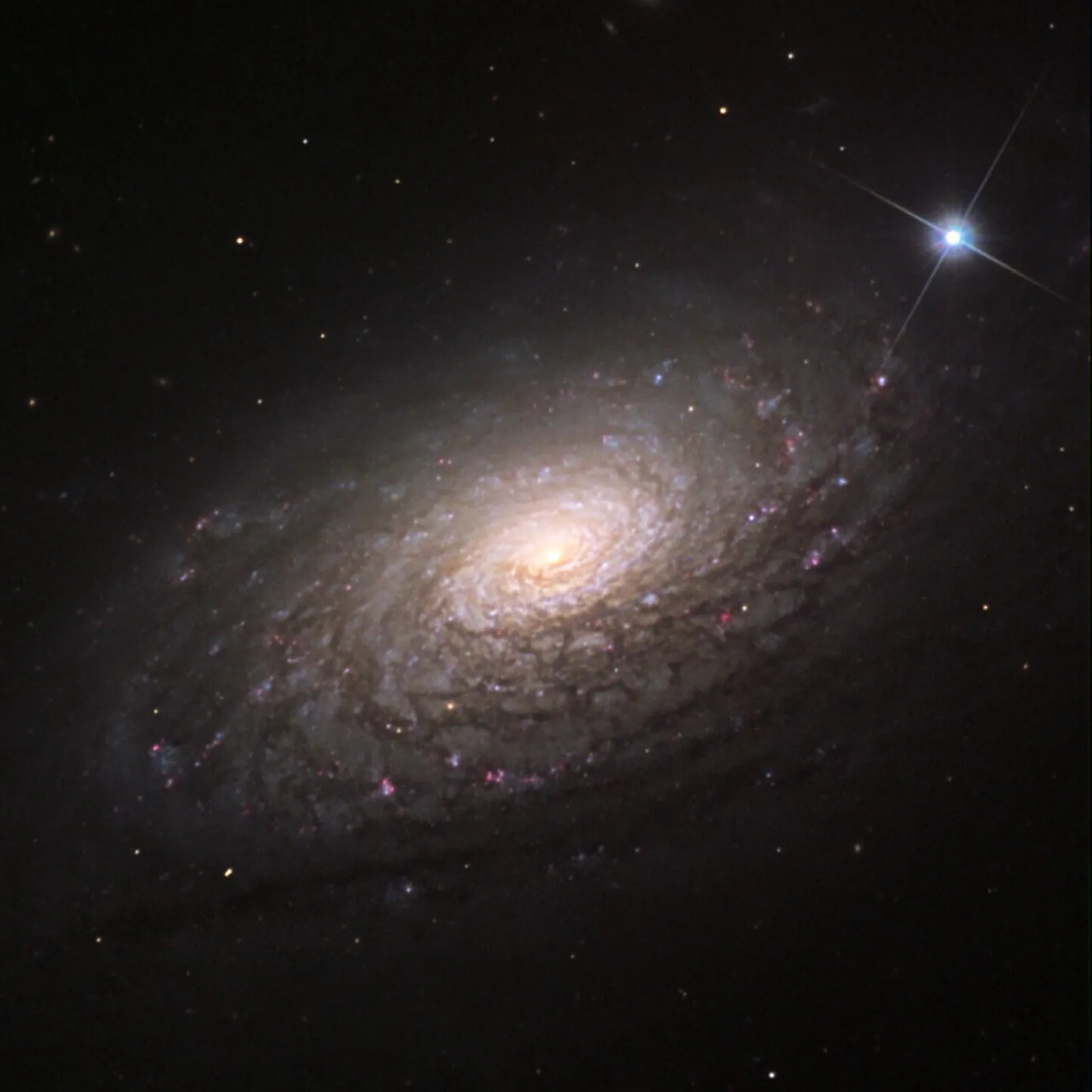 Sunflower Galaxy55° up in the east around 5:36 AM (New York) · needs a big telescope
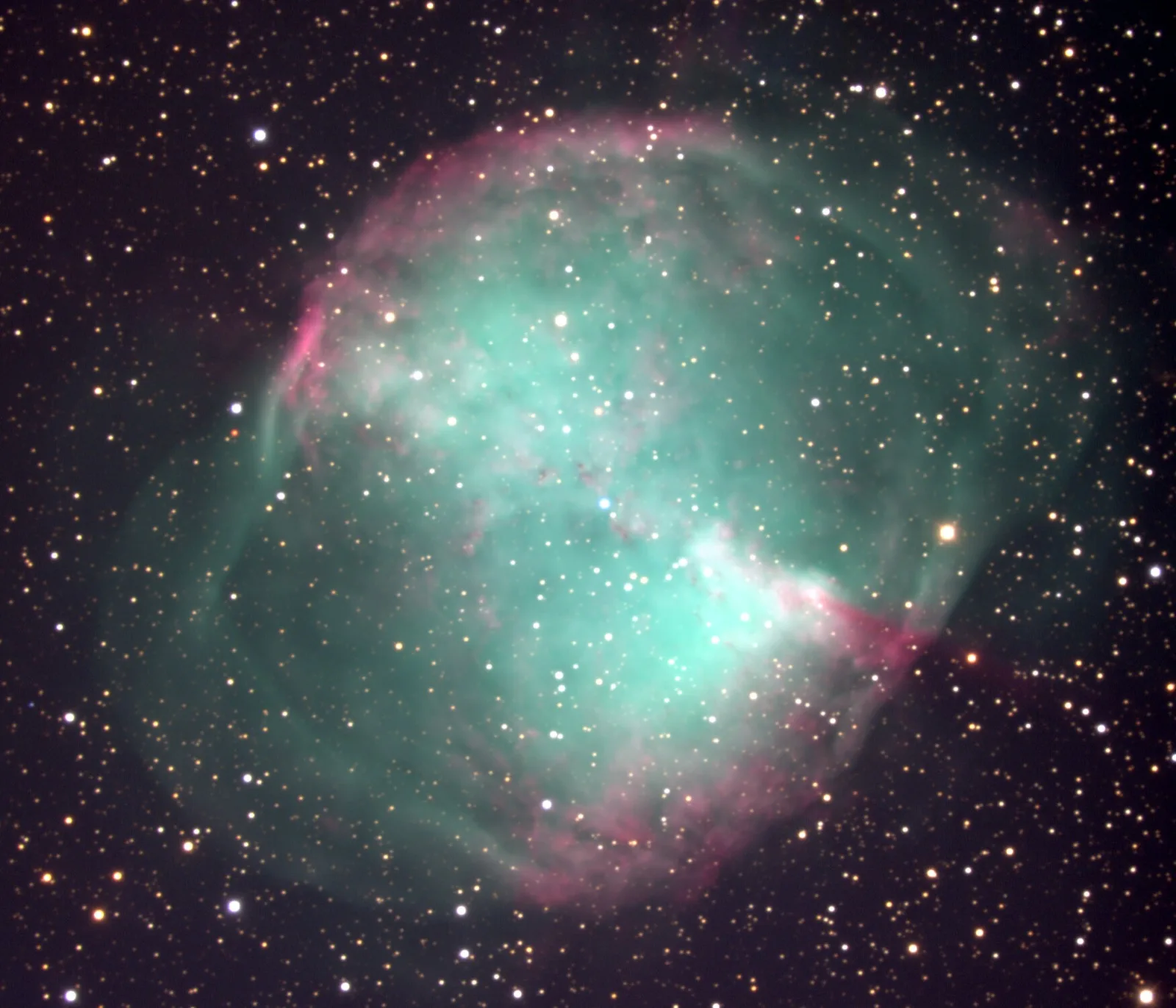 Dumbbell Nebula55° up in the west around 5:51 PM (New York)
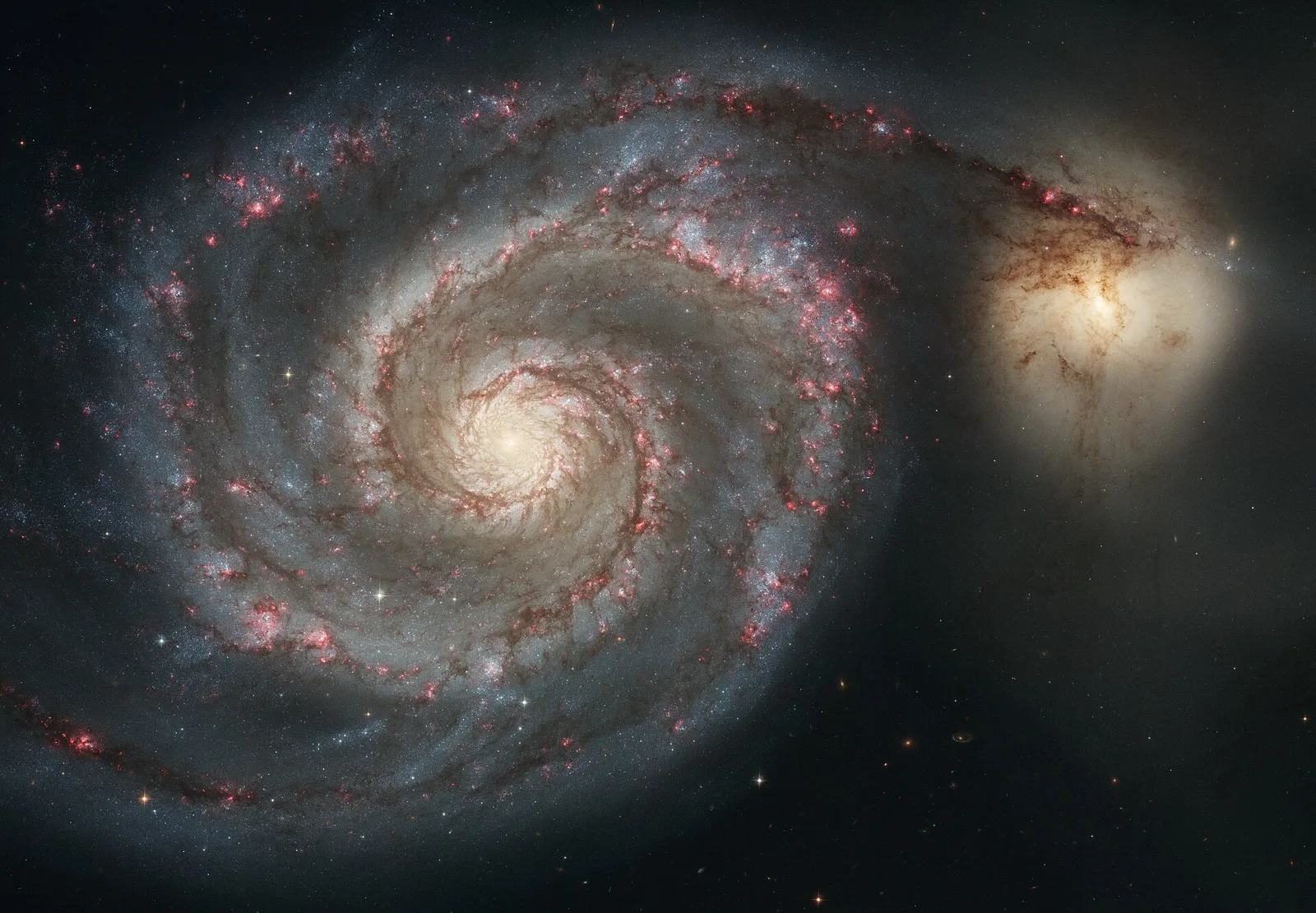 Whirlpool Galaxy54° up in the northeast around 5:36 AM (New York) · needs a big telescope
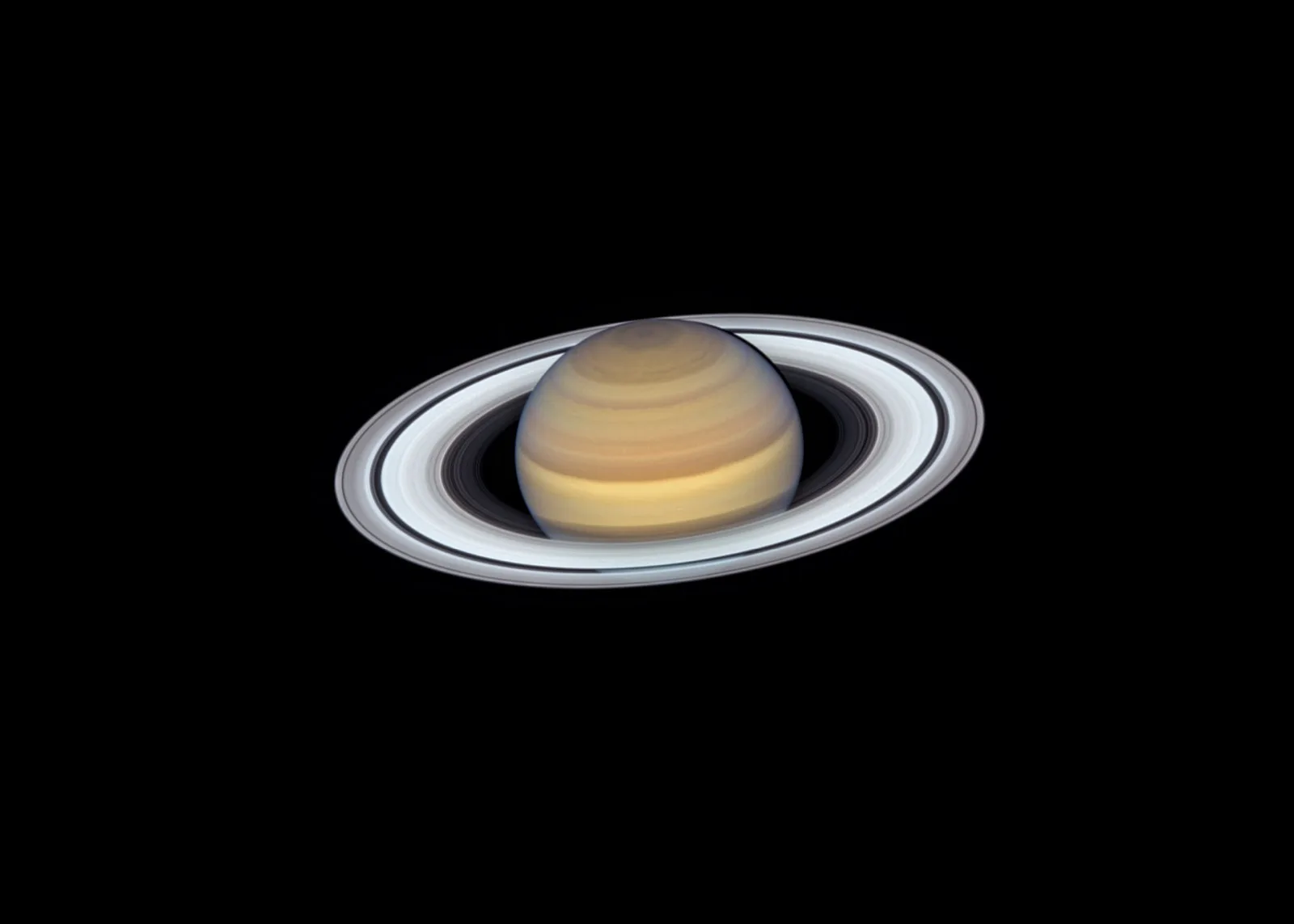 Saturn50° up in the south around 8:06 PM (New York)
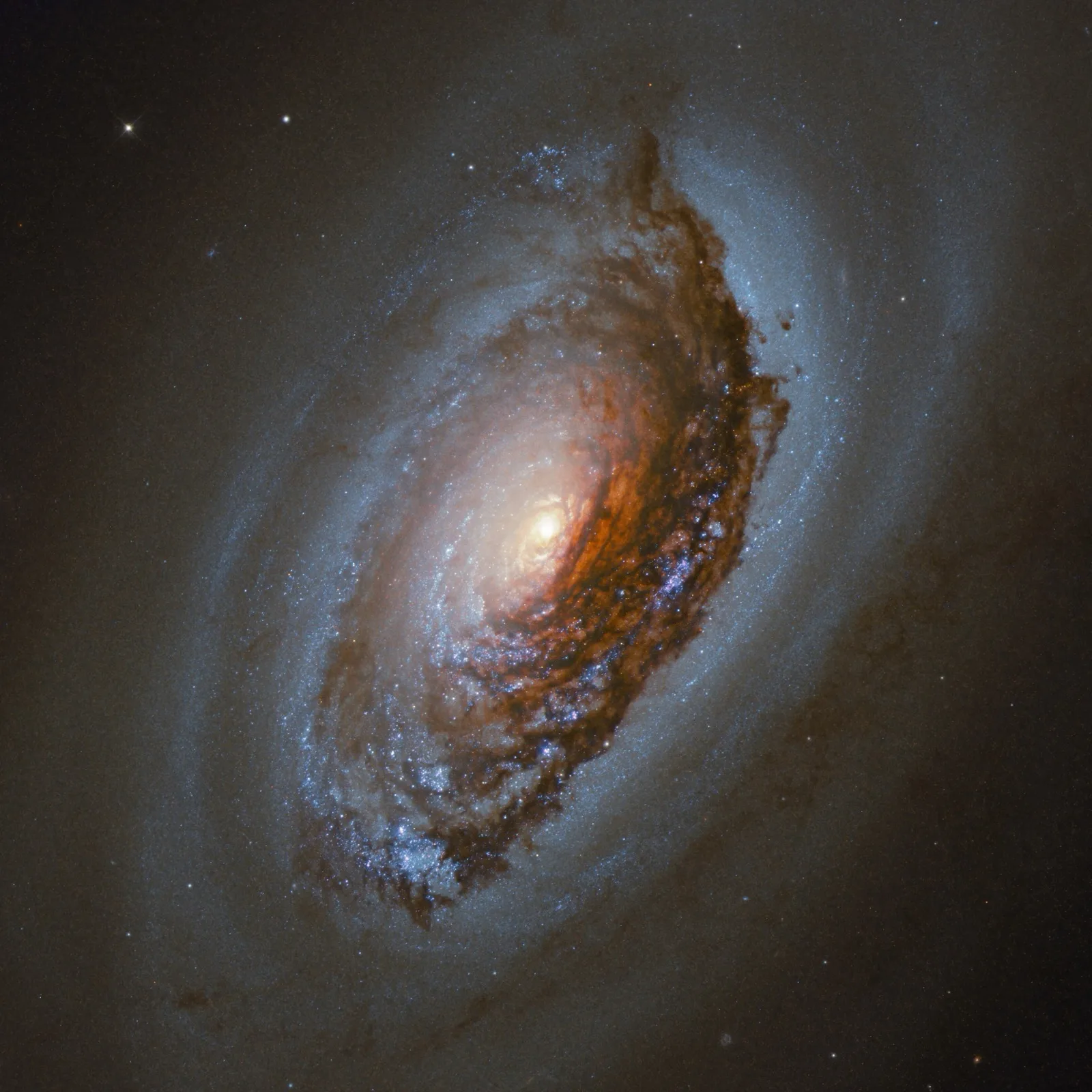 Black Eye Galaxy50° up in the east around 5:36 AM (New York)
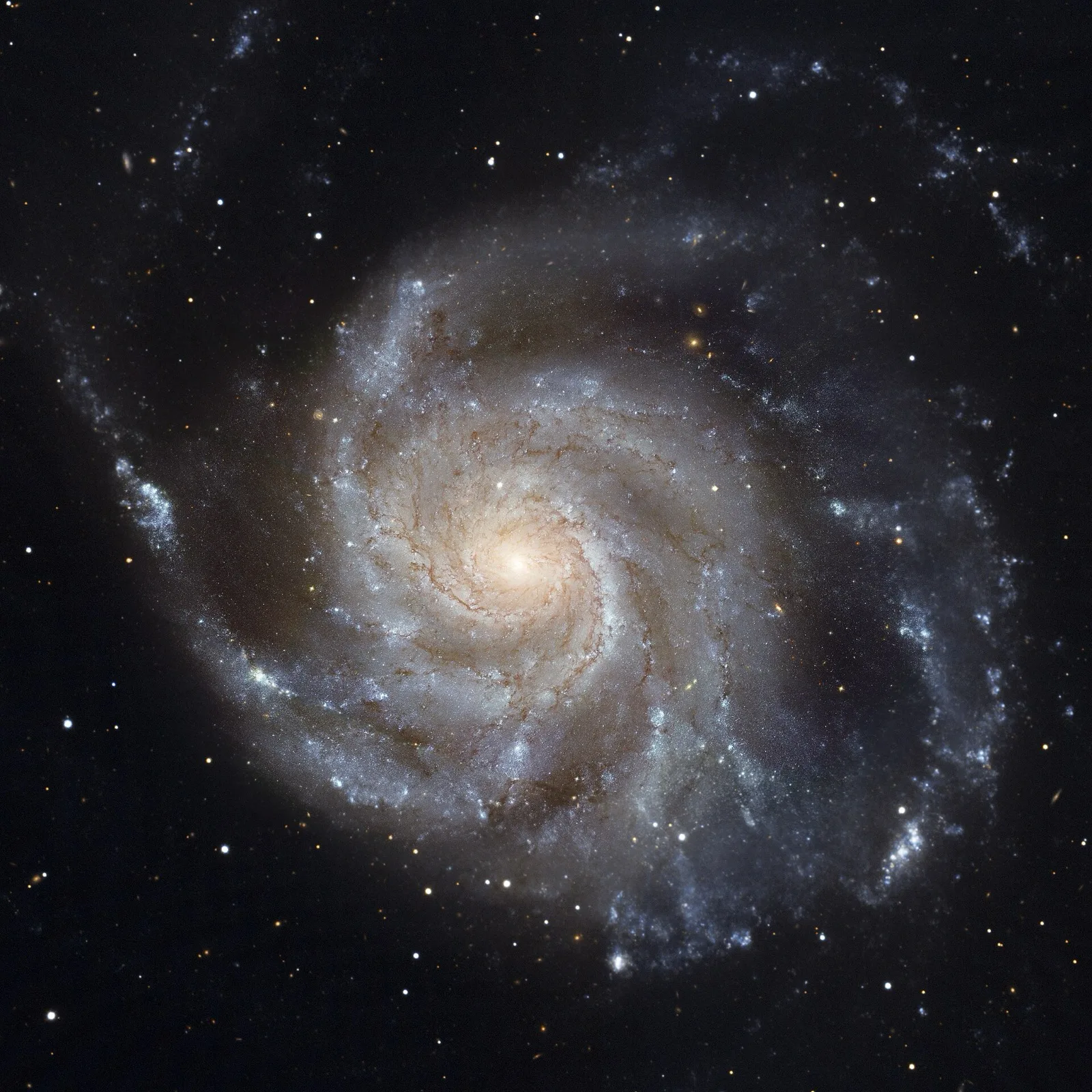 Pinwheel Galaxy50° up in the northeast around 5:36 AM (New York) · needs a big telescope
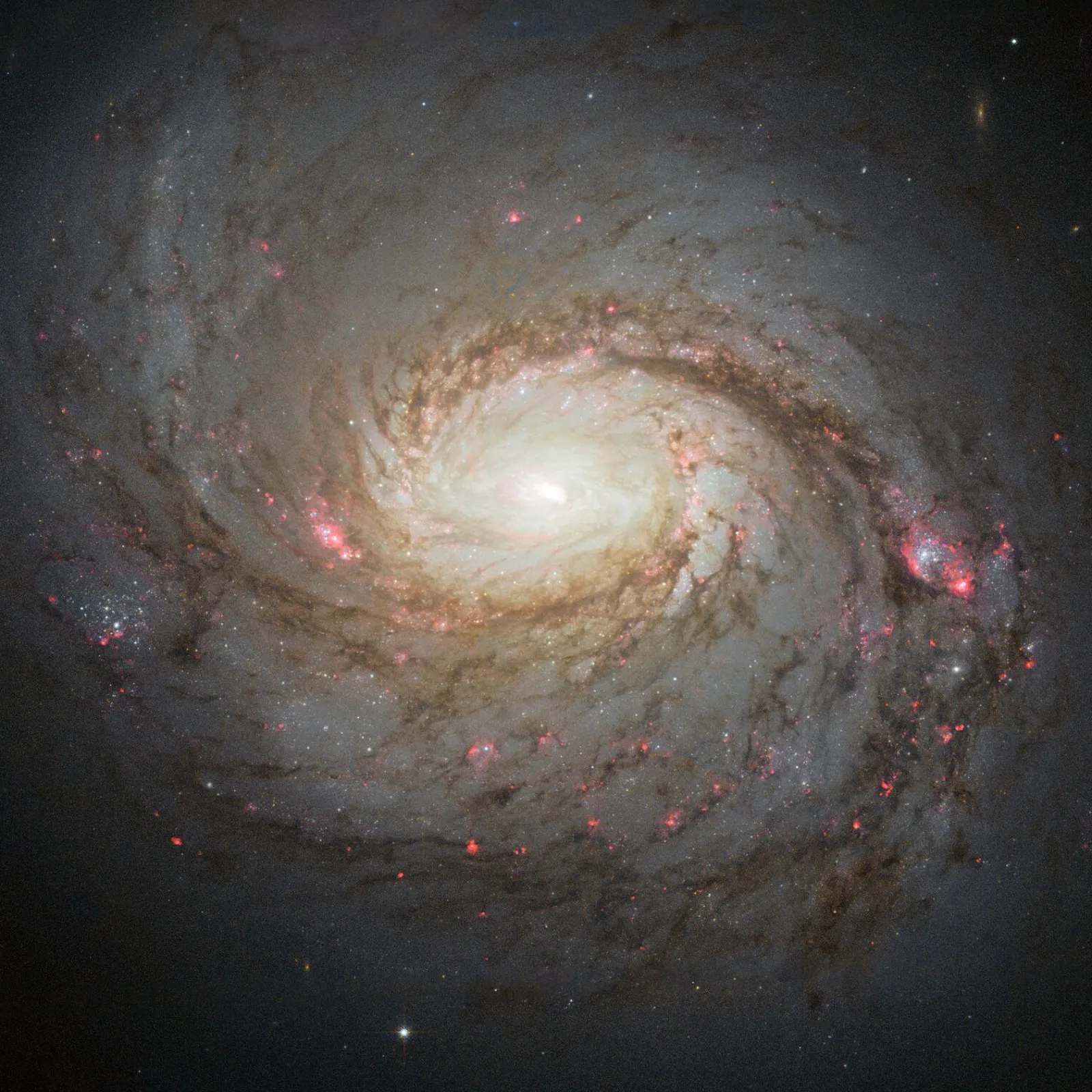 Messier 7749° up in the south around 10:06 PM (New York)
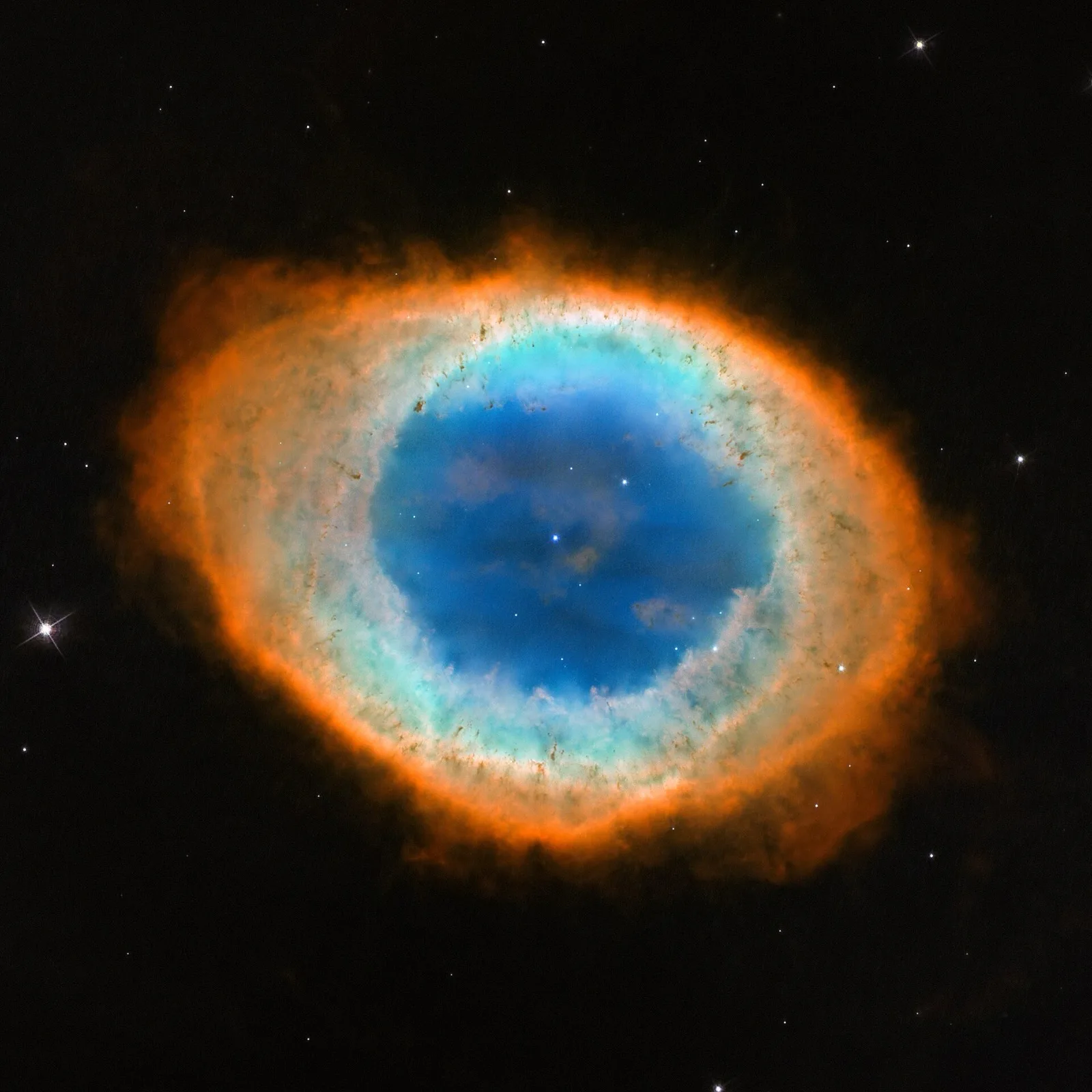 Ring Nebula48° up in the west around 5:51 PM (New York)
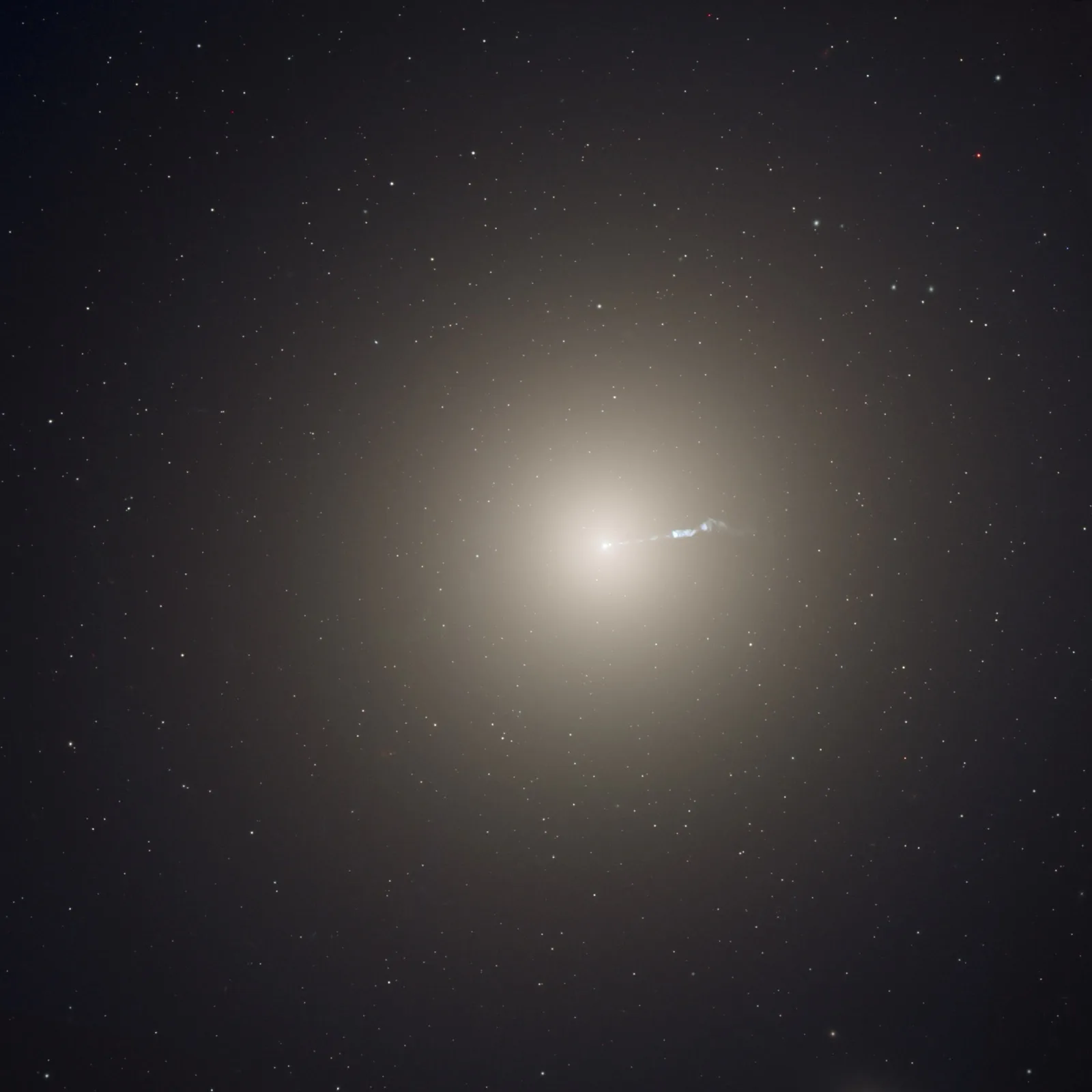 Virgo A (Messier 87)48° up in the southeast around 5:36 AM (New York)
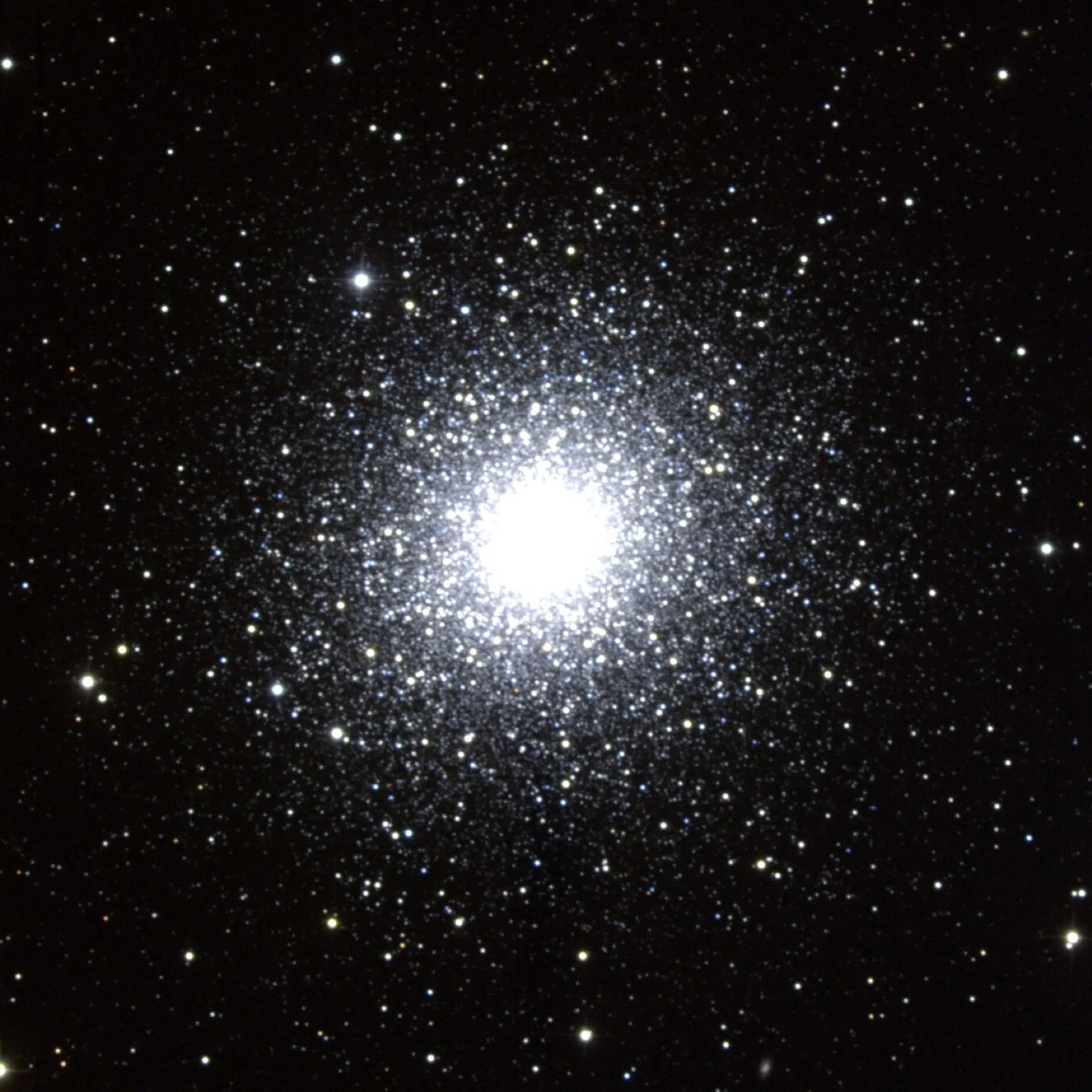 Messier 247° up in the south around 5:51 PM (New York)
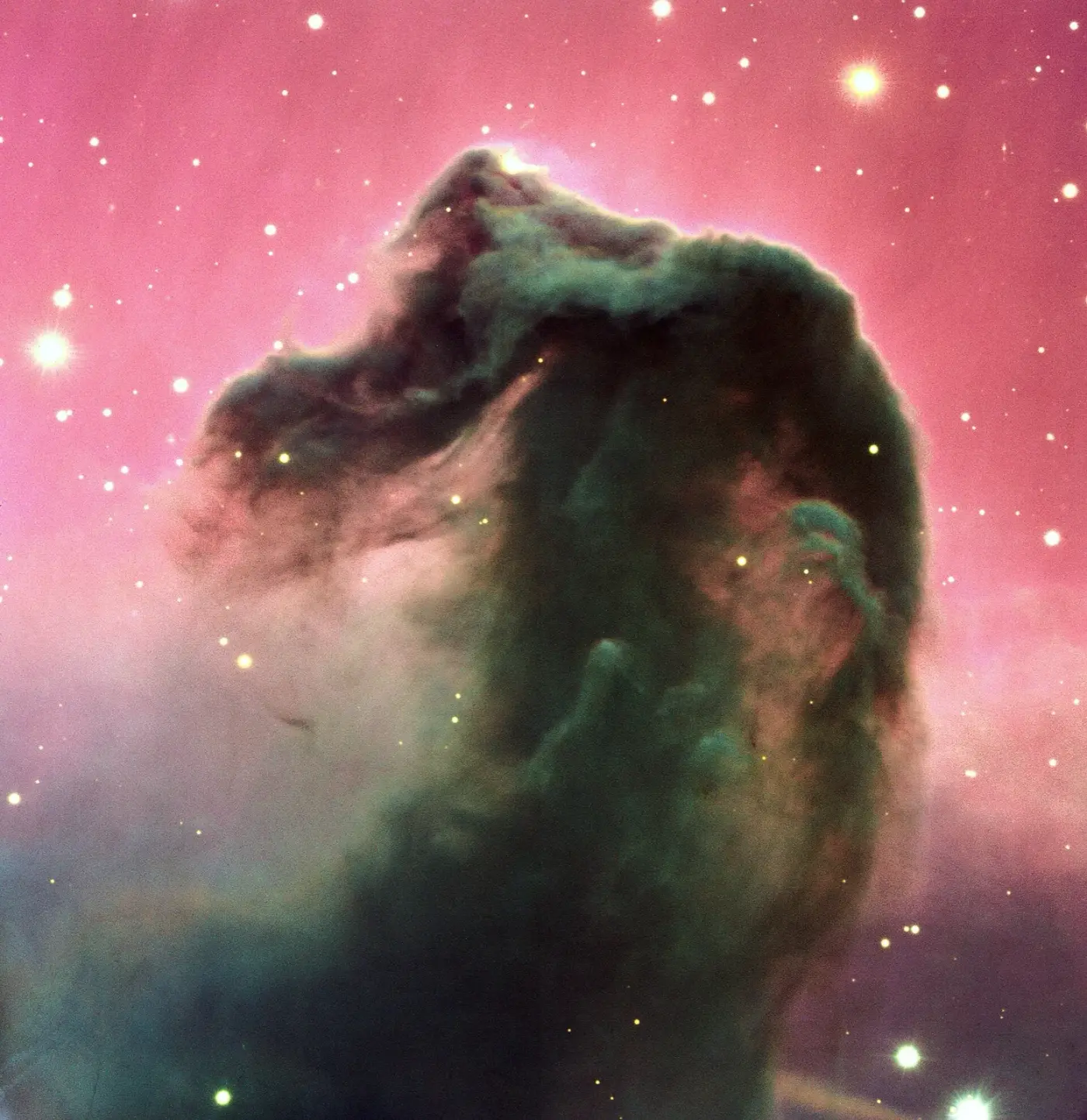 Horsehead Nebula47° up in the south around 1:06 AM (New York) · needs a big telescope
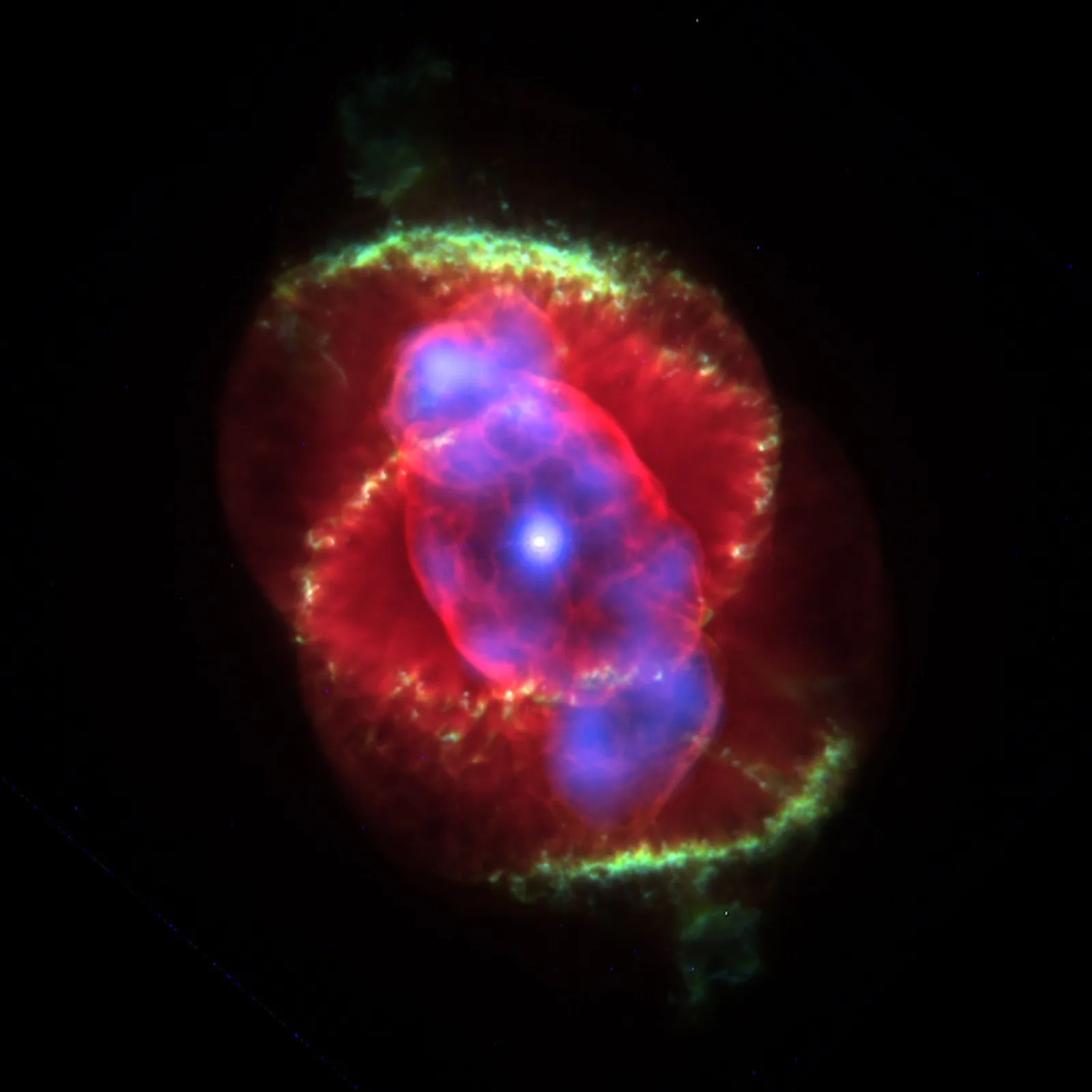 Cat's Eye Nebula46° up in the northwest around 5:51 PM (New York)
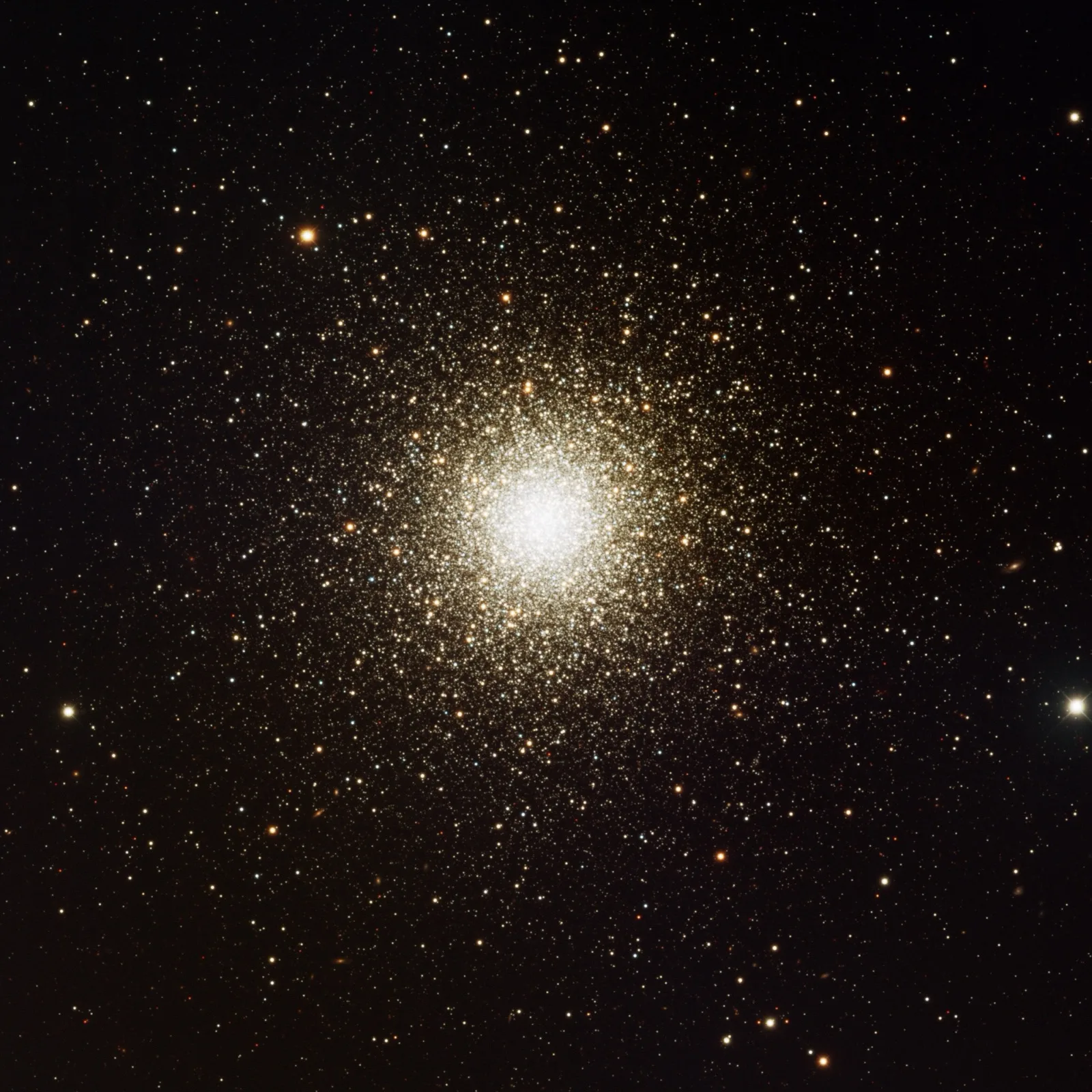 Messier 345° up in the east around 5:36 AM (New York)
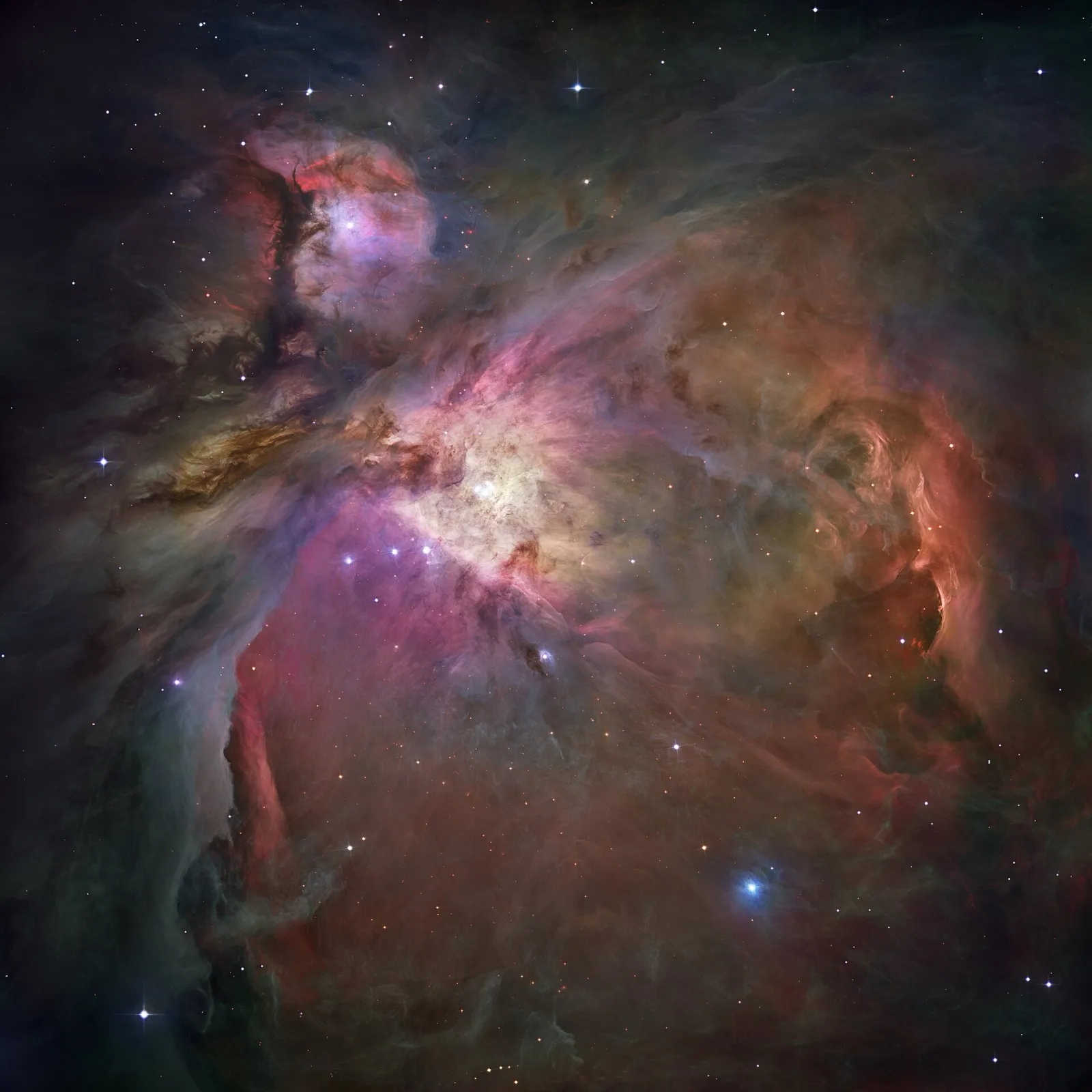 Orion Nebula44° up in the south around 1:06 AM (New York)
The week ahead
- Mon, Nov 30, 08:00 UTC: The Moon passes 1.1° from Jupiter.
- Mon, Nov 30, 17:00 UTC: The Moon passes 3° from Mars.
- Tue, Dec 1, 06:09 UTC: Last Quarter.
More for the whole month: the night sky in November 2026, the Moon calendar, Algol minima and Jupiter's moons.
Tips for a good night
- Give your eyes 20 to 30 minutes in the dark. Use a red light to read a chart; white light resets your night vision.
- Objects are easiest when they are high: low in the sky you look through much more air (why).
- A bright Moon washes out faint galaxies and nebulae. Plan those for the nights around New Moon; the Moon and planets look great any night.
Point a telescope at the real sky above you: capture it in real time, then develop the frames like an astrophotographer.
Open the telescope