 SKY
Seeing: the air between you and the stars
Starlight crosses space untouched for years, then gets scrambled in the last few seconds of its trip, by the few kilometers of air above you. Pockets of warm and cool air bend light by slightly different amounts. Astronomers call the result seeing.
Twinkling
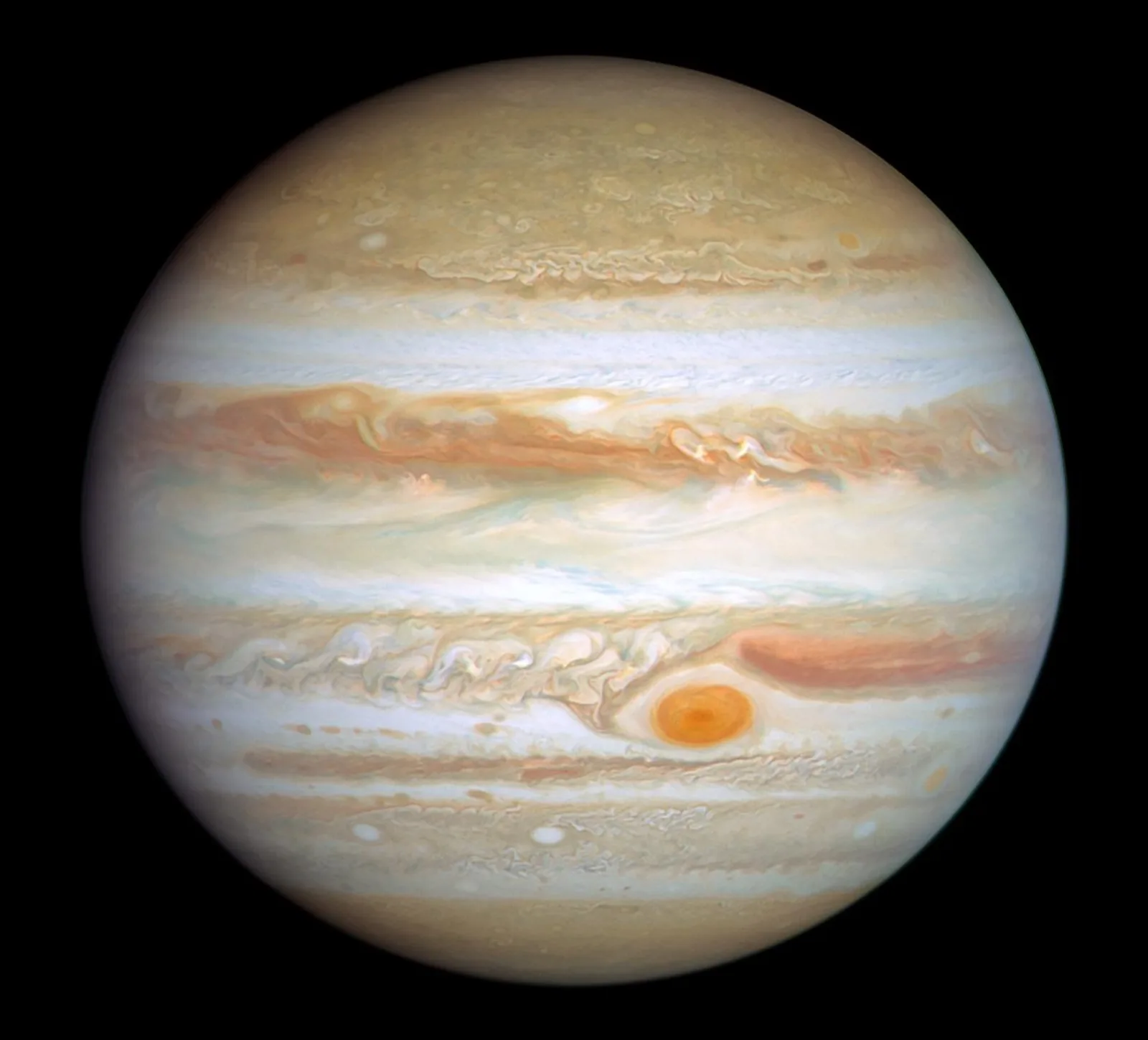
To the eye, seeing makes stars twinkle (scientists say scintillation). A star is so far away that its light comes from a single point, so one air pocket can change its brightness and color from moment to moment. Planets show a tiny disk instead of a point. Light from different parts of the disk passes through different air, and the flickers average out, which is why planets usually shine steadily.
Measuring it
Seeing is measured by how wide a star image gets, in arcseconds (1/3600 of a degree). At an ordinary site a star smears out to two or three arcseconds. At the best mountain observatories, such as Mauna Kea, Paranal and La Palma, the air is often steady enough for well under one arcsecond. That is one reason telescopes are built high up, above much of the turbulent air, along with dark, dry skies.
Fighting it
Big observatories use adaptive optics: a flexible mirror changes shape hundreds of times a second to undo the blur. Planet photographers at home use a cheaper trick, lucky imaging. Space telescopes avoid the problem completely.
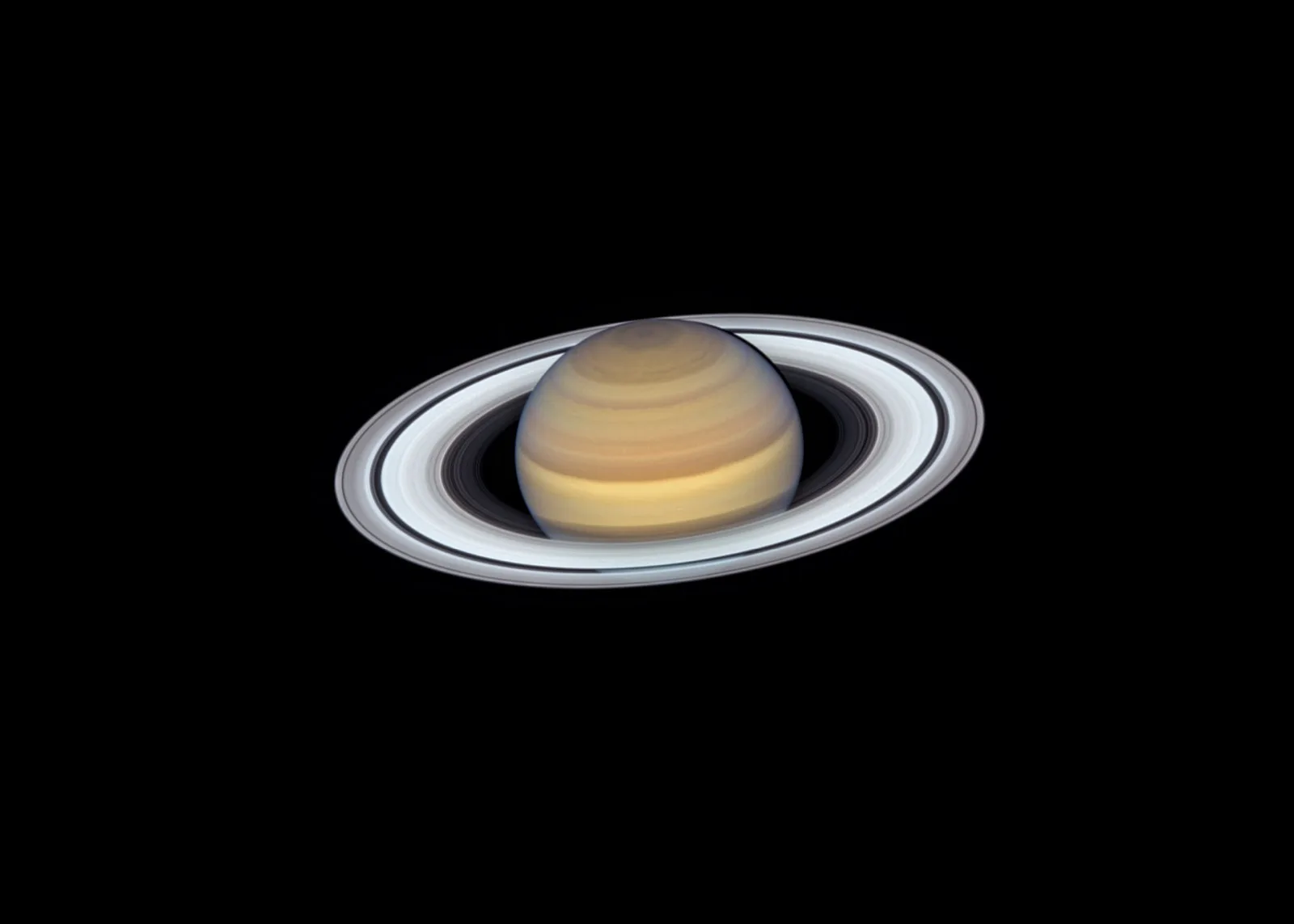 Saturn
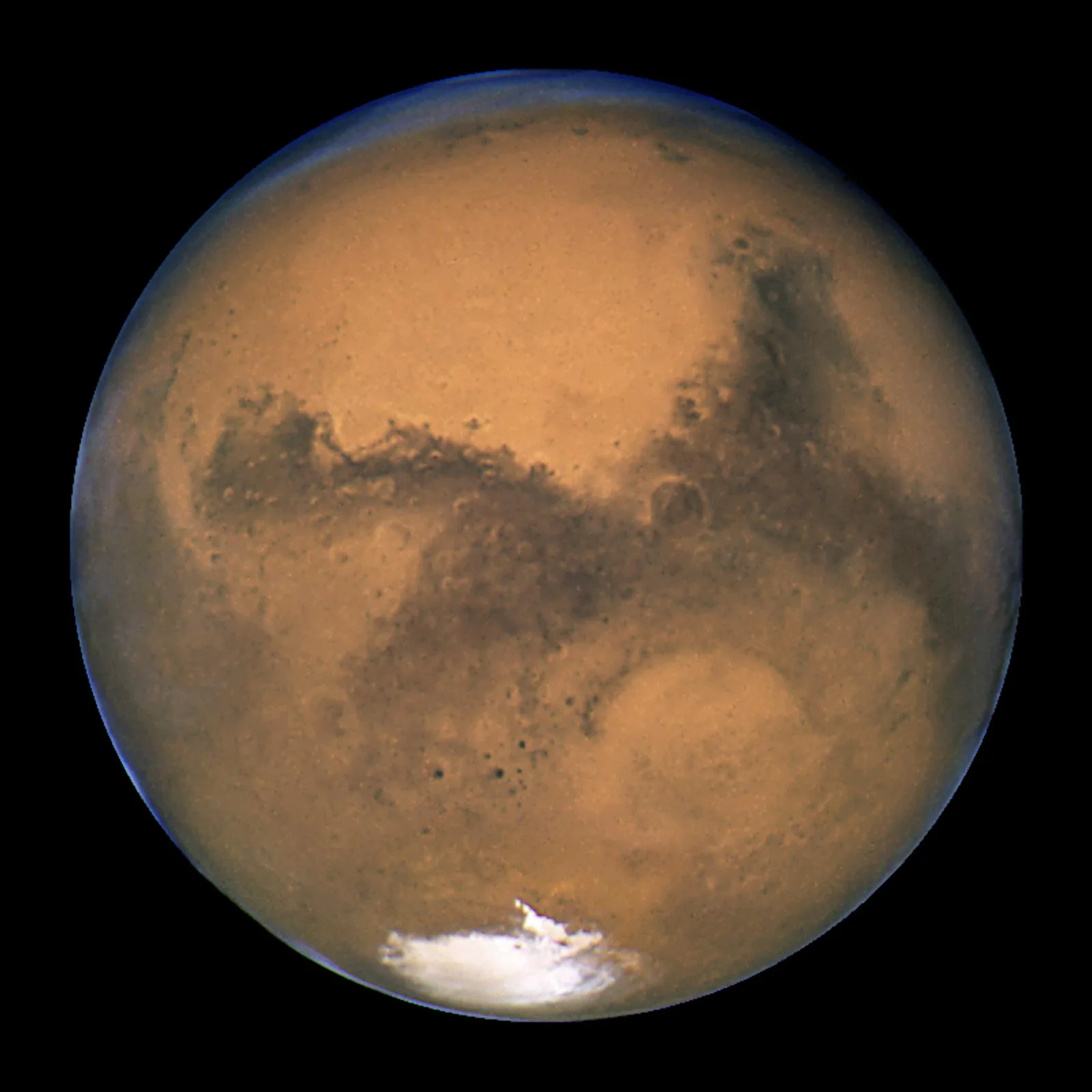 Mars