 SKY
The Messier catalog: 110 things that are not comets
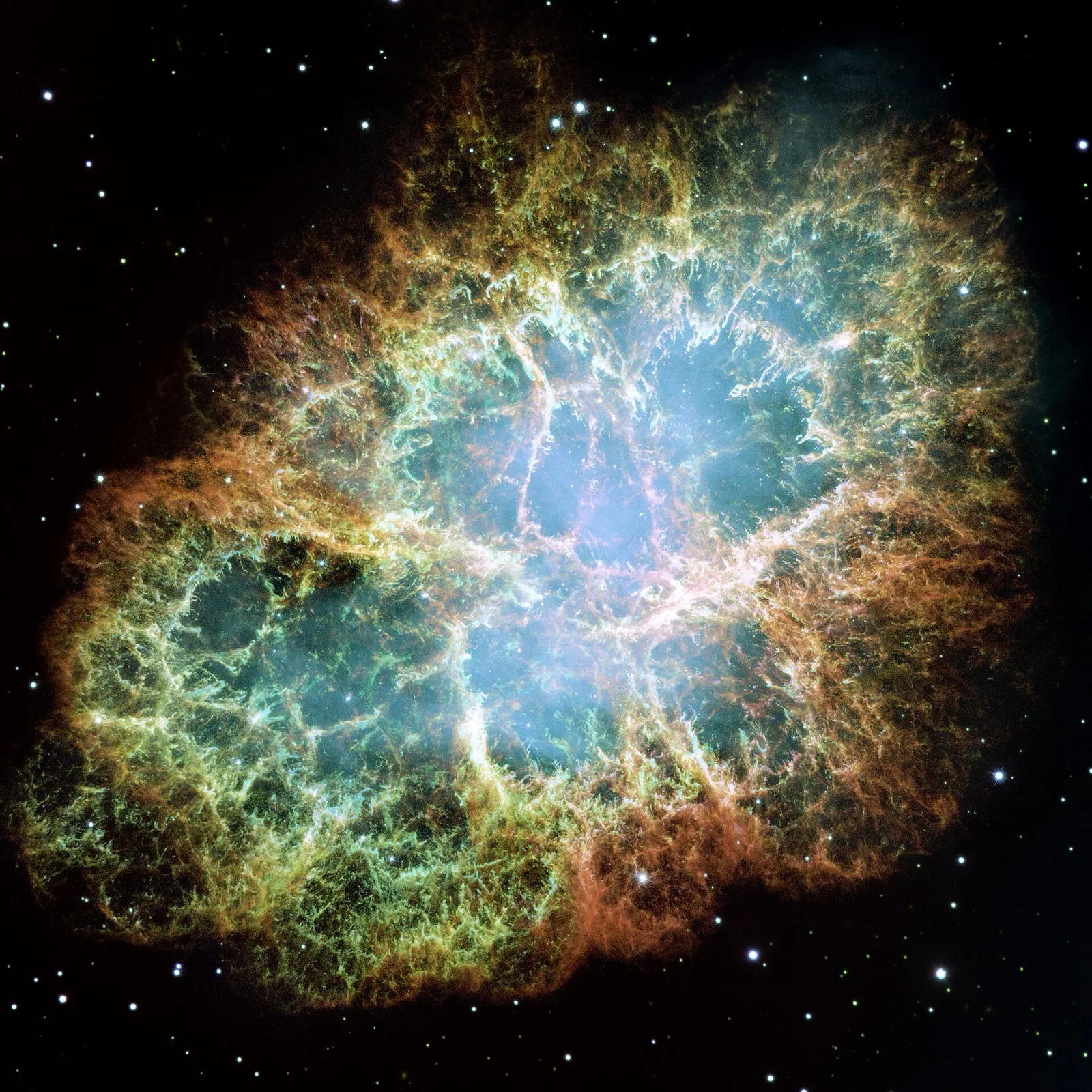
Charles Messier (1730 to 1817) was a French astronomer who hunted comets. Through a small telescope a new comet looks like a faint fuzzy spot, and so do many things that never move: star clusters, nebulae and galaxies. To stop wasting time on them, Messier kept a list of fuzzy objects that were not comets.
From 45 to 110
His first list, with 45 objects, was printed in 1774. The final version he published in 1781 had 103, many of them found by his colleague Pierre Méchain. In the 20th century astronomers added seven more (M104 to M110) that Messier or Méchain had observed and noted, bringing the total to 110. The first entry, M1, the Crab Nebula, is the wreck of a star seen to explode in 1054.
A checklist for everyone
Because Messier worked from France with small telescopes, his objects are bright and mostly visible from the Northern Hemisphere. That makes the list a perfect checklist for backyard astronomers. Around March, when the nights are long and the Sun sits in a part of the sky with no Messier objects, some try to see all 110 in a single night: a "Messier marathon".
In the game
Many of the targets for your backyard telescope are Messier objects: the Pleiades (M45), the Orion Nebula (M42) and the Andromeda Galaxy (M31) among them.
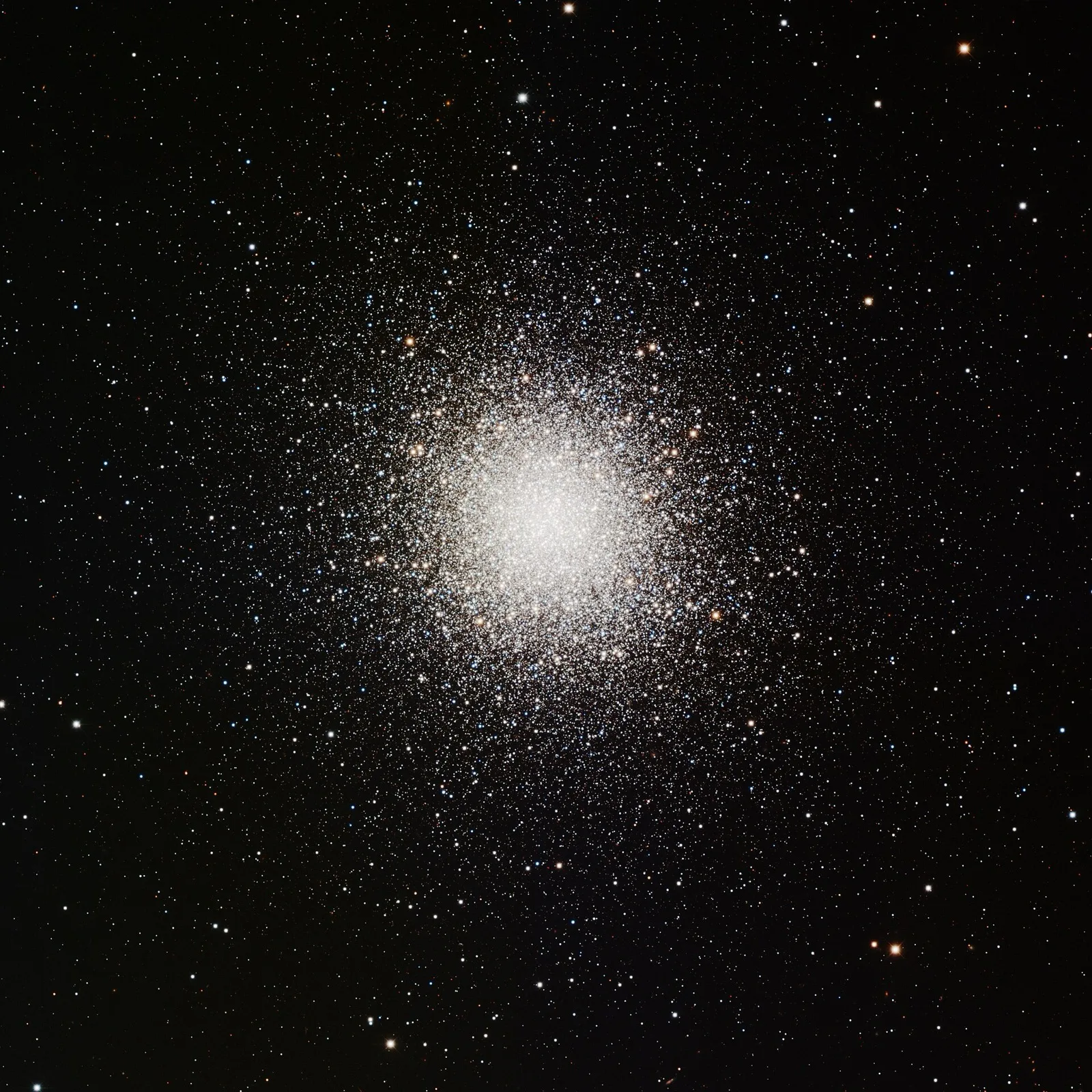 Hercules Cluster
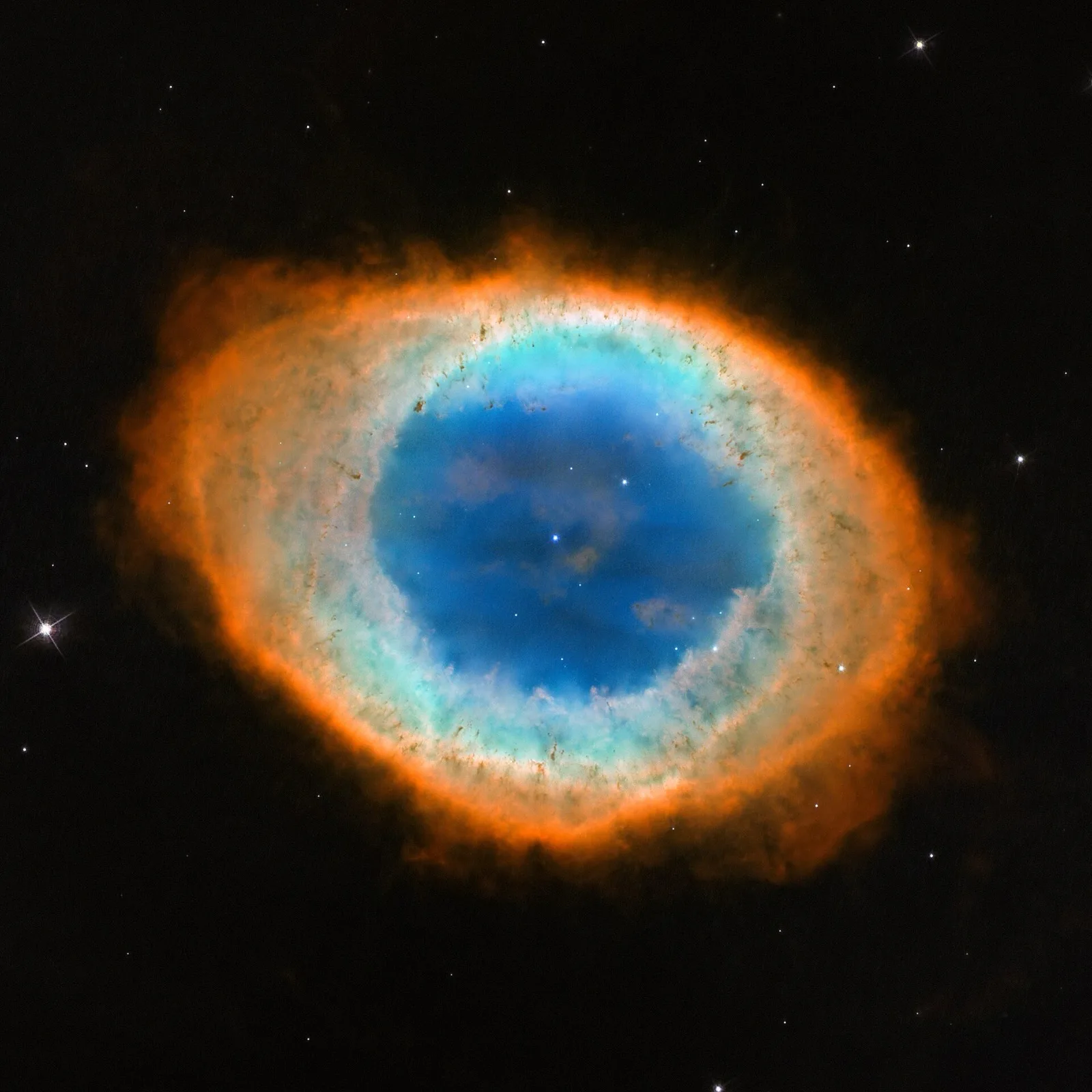 Ring Nebula