 SKY
Lucky imaging: keep the sharp moments, throw away the rest
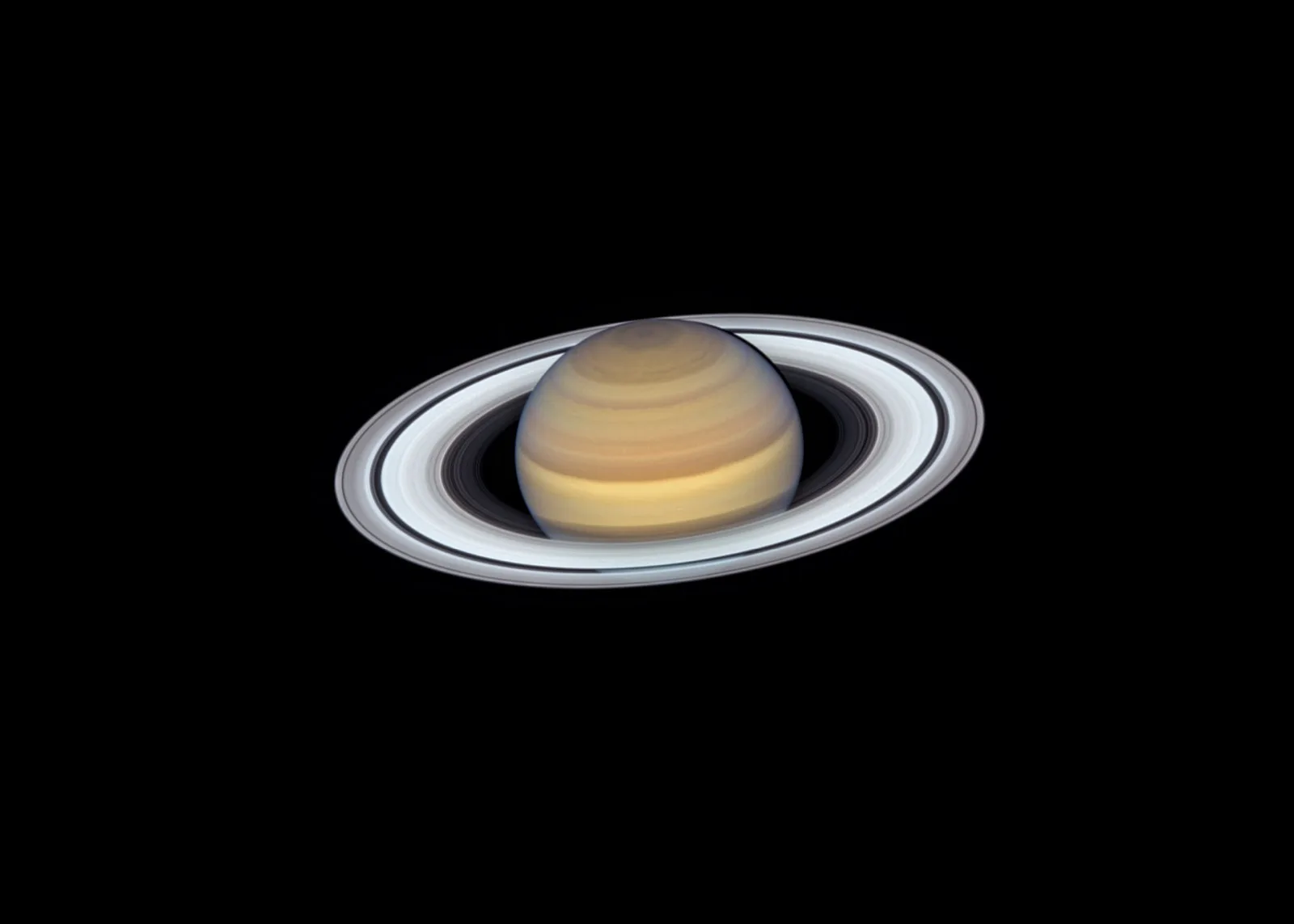
Look at Jupiter through a telescope on an average night and it wobbles and boils, because the air above you is never still (see seeing). But for a split second, now and then, the turbulence happens to line up and the view snaps sharp.
Lucky imaging catches those moments. Instead of one long photo, the camera records video: thousands of very short frames over a few minutes. Software grades every frame for sharpness, keeps only the best few percent, lines them up and stacks them. The idea goes back to David Fried, who in 1978 worked out the probability of getting such a "lucky" short-exposure image through turbulence.
Then sharpen, gently
The stack is clean but a little soft, so the last step is sharpening, often with wavelets or an unsharp mask: subtract a blurred copy to boost fine edges. Push it too far and bright rings appear around every edge, and noise turns into fake detail.
Fixing the color fringes
When a planet is low in the sky, the atmosphere acts like a weak prism: it lifts blue light a little more than red. The planet ends up with a blue fringe on one side and a red one on the other. Photographers either use a corrector in front of the camera or shift the color channels back into line.
Try it
For the Moon and planets, the game's darkroom has you tap to keep frames when the air goes still, then sharpen, then slide the colors back.
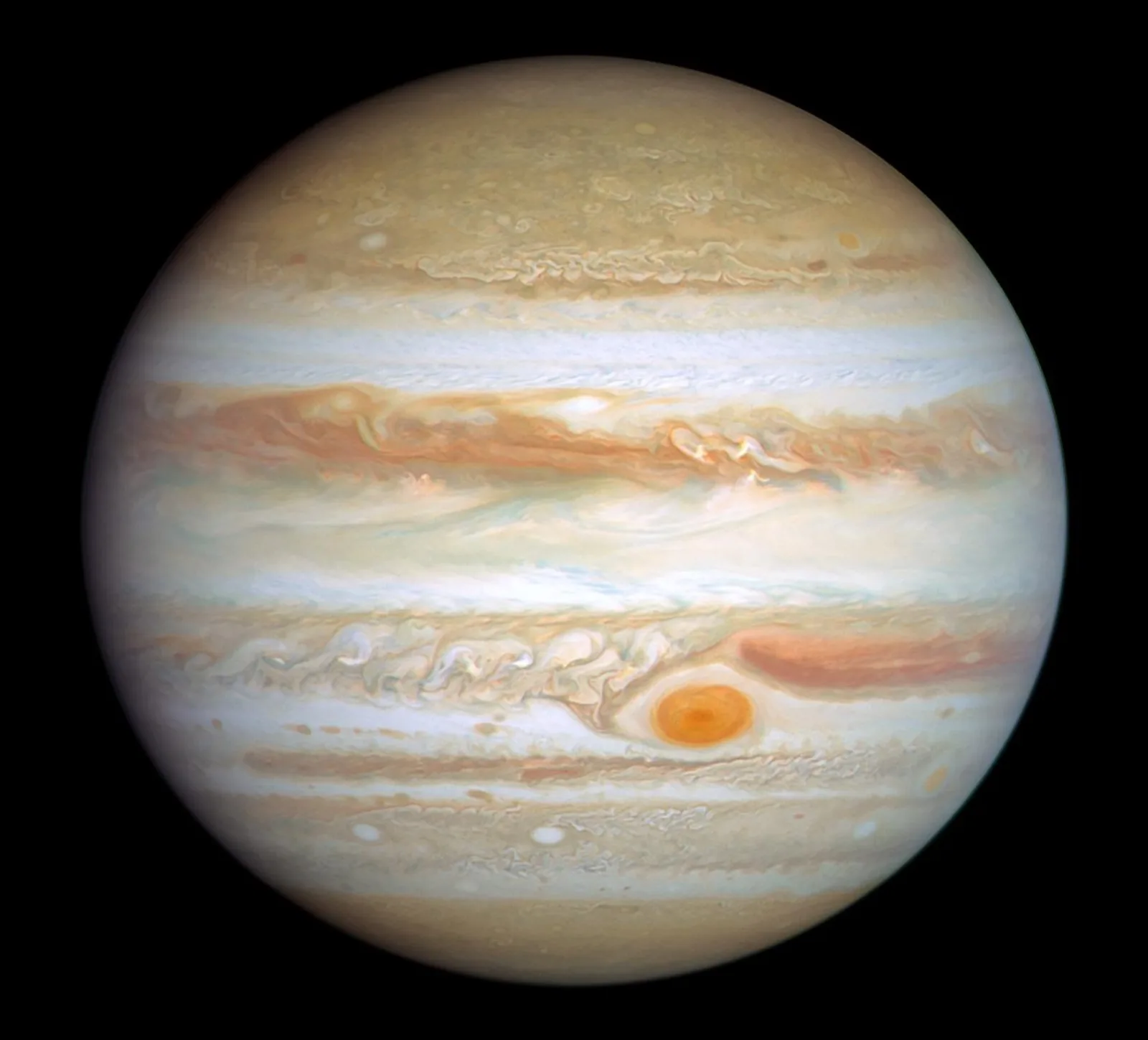 Jupiter
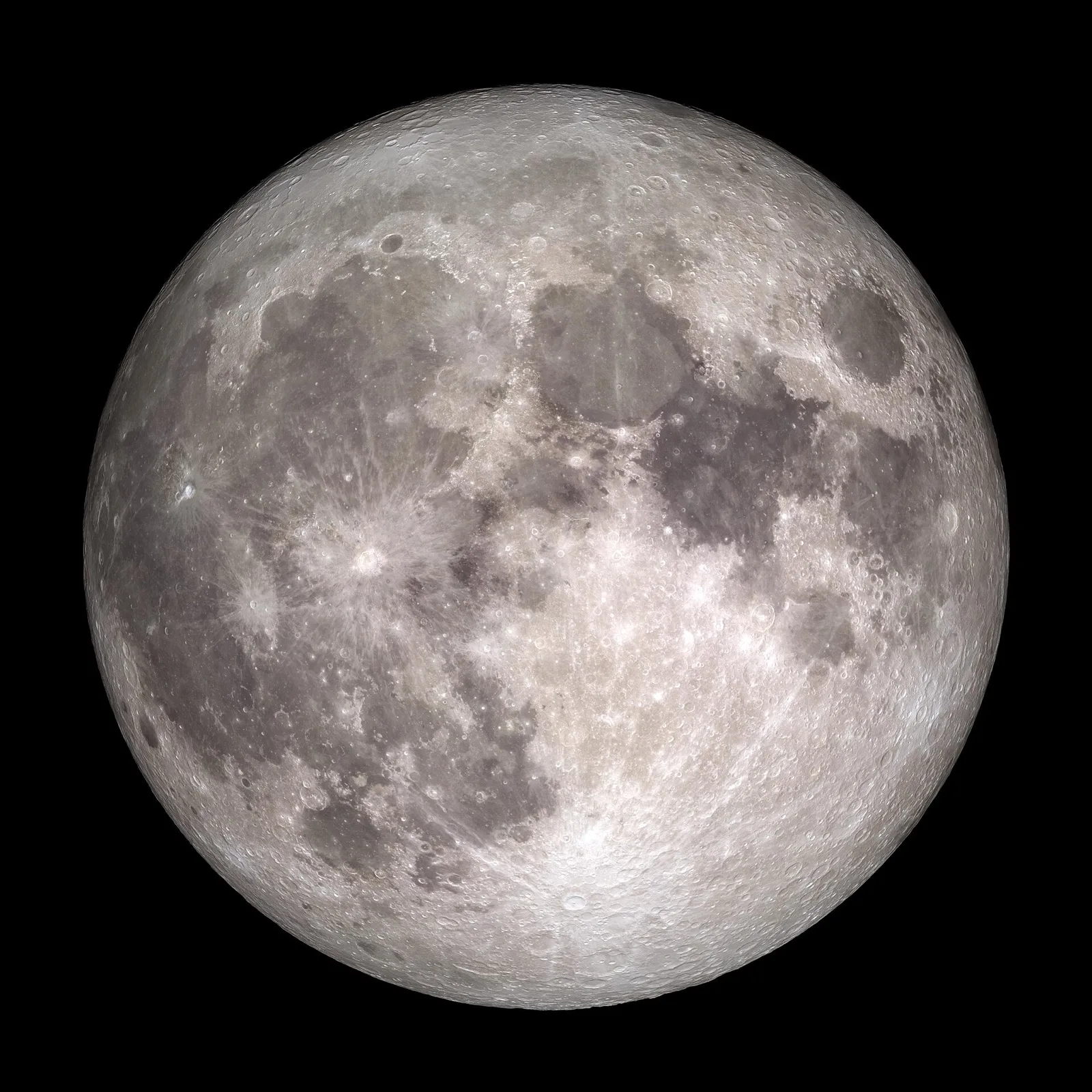 The Moon