 SKY
Magnitude: why brighter stars get smaller numbers
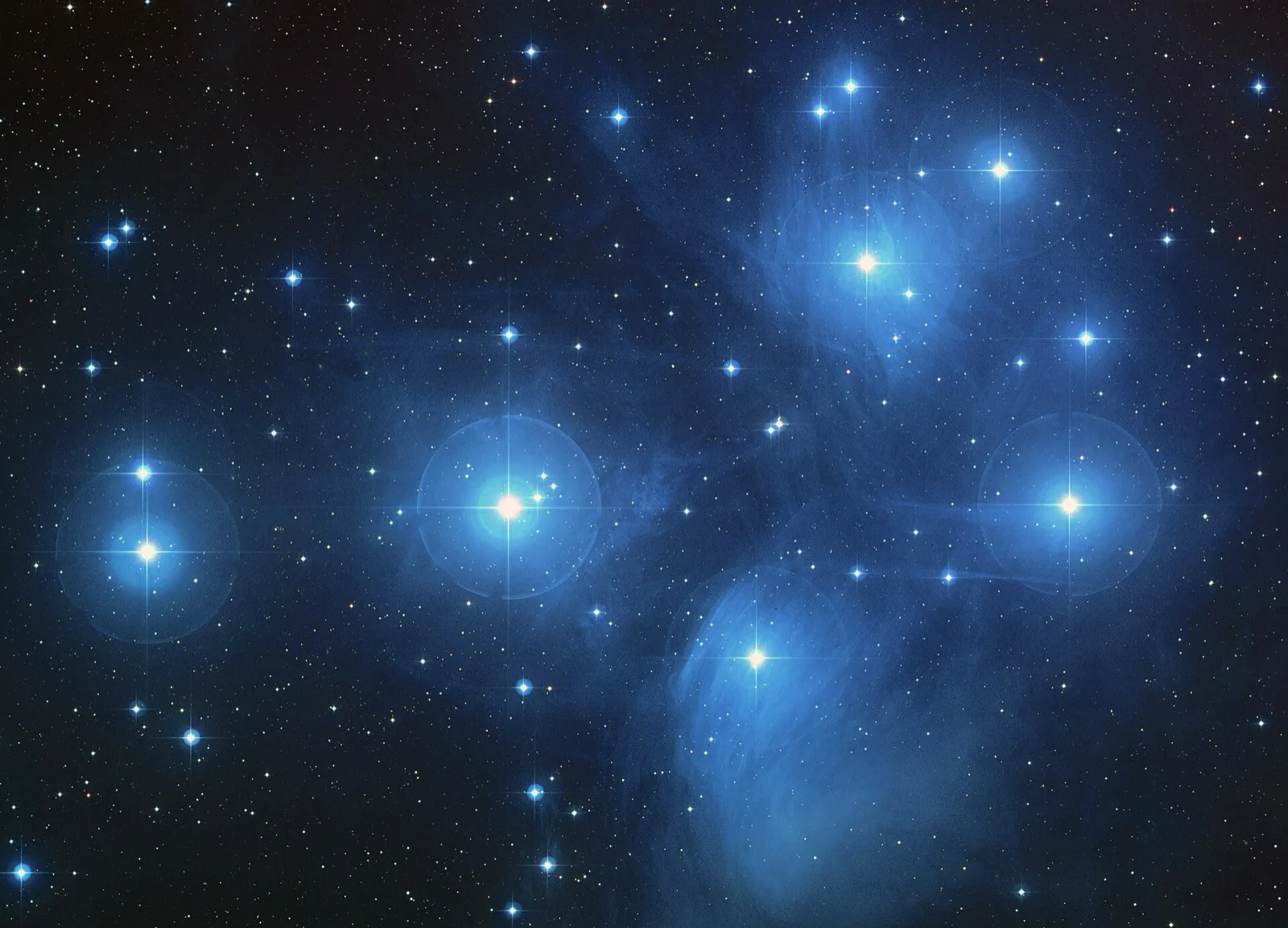
Astronomers rate how bright things look in the sky with magnitudes, a scale that runs backwards: the smaller the number, the brighter the object.
An ancient scale, made exact
The idea is over 2,000 years old. Greek astronomers sorted the stars into six classes, the brightest as "first magnitude" and the faintest the eye could see as "sixth". In 1856 Norman Pogson made it exact: a difference of 5 magnitudes is a factor of exactly 100 in brightness. So each single step is a factor of about 2.512.
Some numbers
- The Sun: about -26.7.
- The full Moon: about -12.7.
- Venus at its brightest: about -4.9.
- Sirius, the brightest star of the night: -1.46.
- The faintest stars you can see by eye from a dark site: about 6. From a city, often only 3 or 4.
Faint and fuzzy
For a galaxy or nebula, the magnitude tells you the total light, spread over its whole area. A galaxy of magnitude 7 can be harder to see than a star of magnitude 9, because its light is smeared out. That is why the Triangulum Galaxy, about magnitude 5.7, needs a truly dark sky.
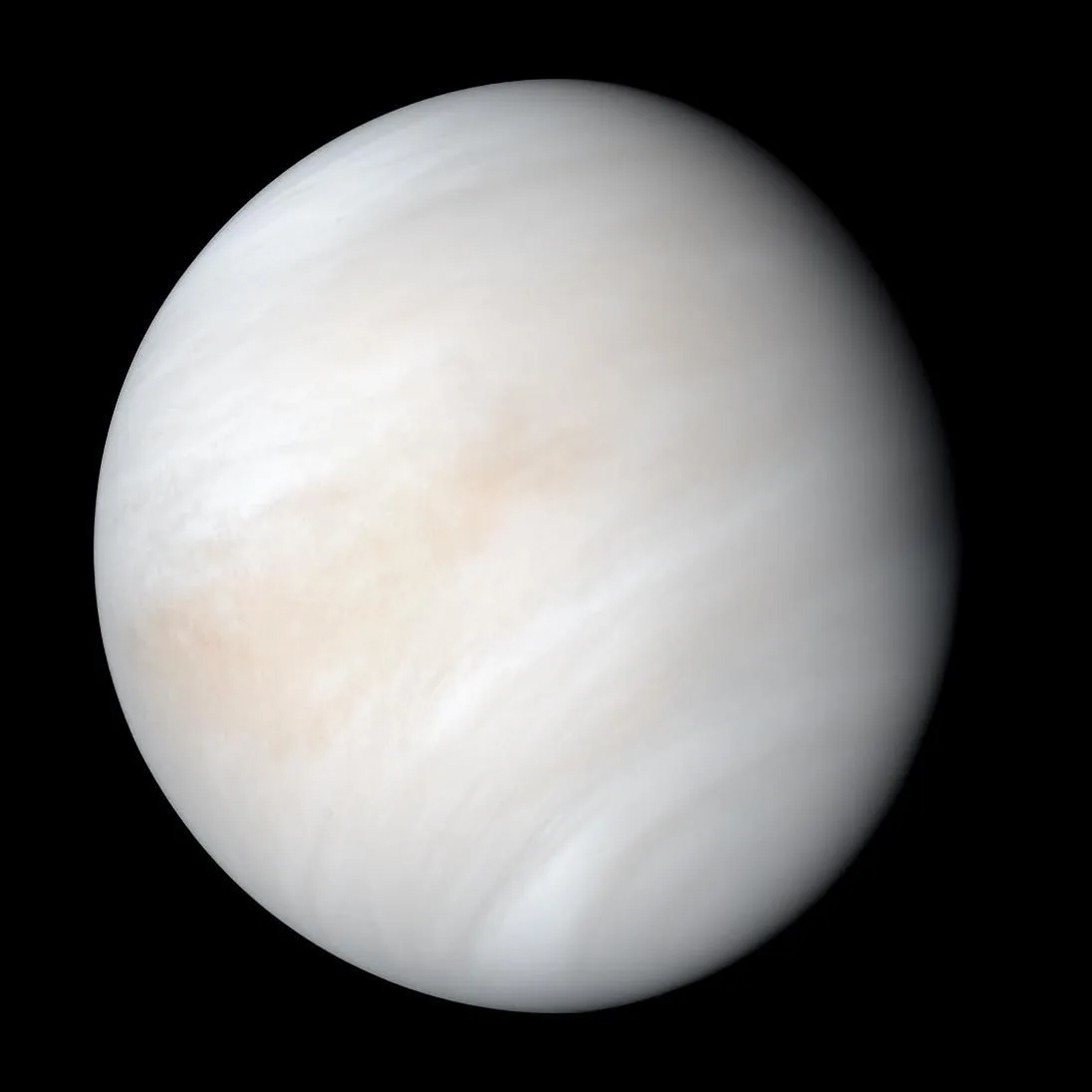 Venus
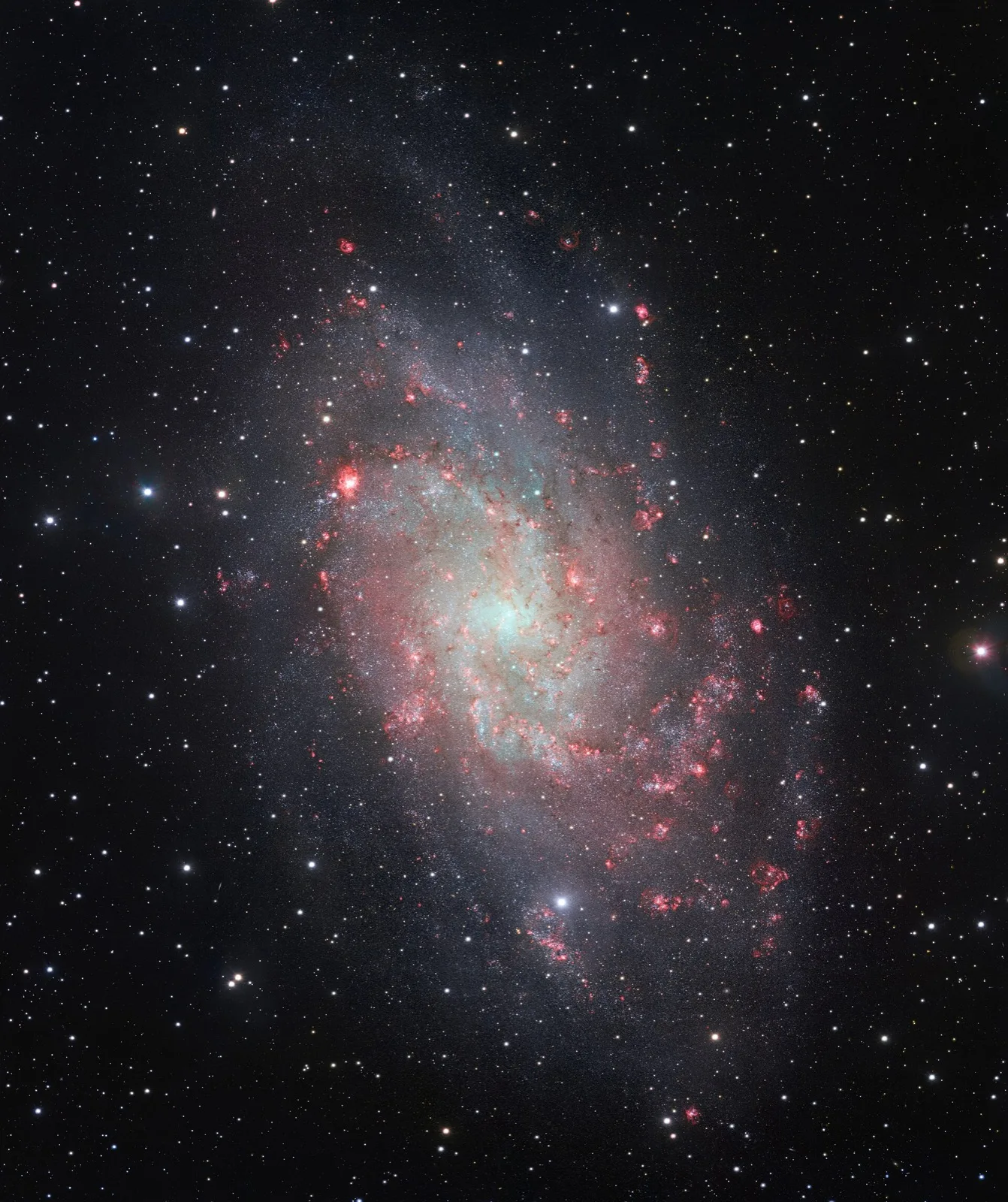 Triangulum Galaxy