 SKY
A light-year, and why looking far means looking back
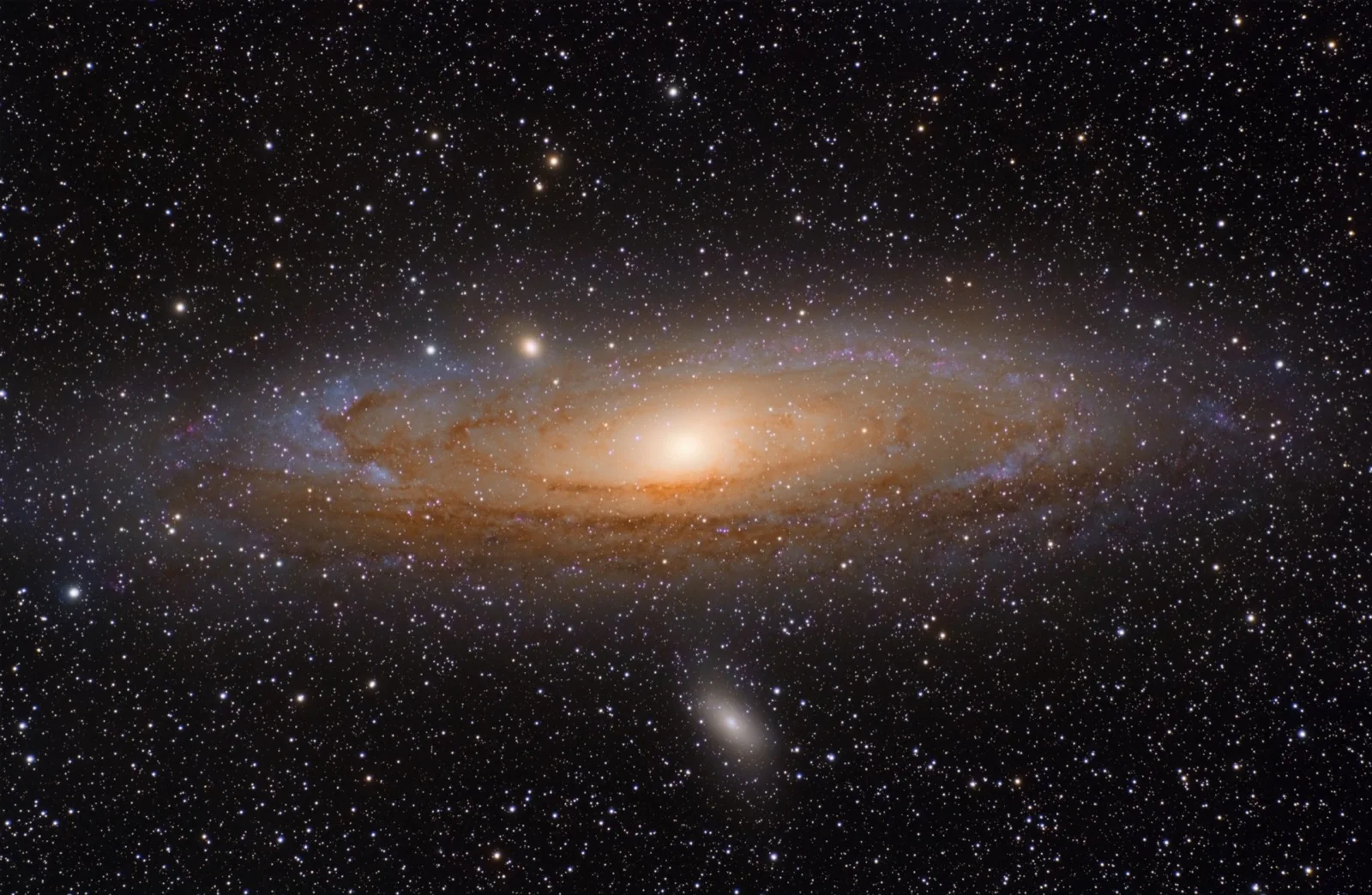
A light-year is a distance: how far light travels in one year. Light moves at 299,792 kilometers per second (about 186,000 miles per second), so in a year it covers about 9.46 trillion kilometers, or 5.88 trillion miles.
A ladder of distances
- The Moon: about 1.3 light-seconds away.
- The Sun: about 8.3 light-minutes.
- Proxima Centauri, the nearest star after the Sun: about 4.24 light-years.
- The Orion Nebula: about 1,300 light-years.
- The Andromeda Galaxy: about 2.5 million light-years.
Looking into the past
Because light takes time to arrive, you always see things as they were. The sunlight on your face left the Sun about 8 minutes ago. When you see the Andromeda Galaxy, its light set out about 2.5 million years ago, long before modern humans existed. The farther away you look, the further back in time you see. That is how telescopes like Webb can study galaxies as they were early in the universe's history.
Parsecs
Professional astronomers often use the parsec, about 3.26 light-years, which comes from measuring how much a star seems to shift as Earth goes around the Sun.
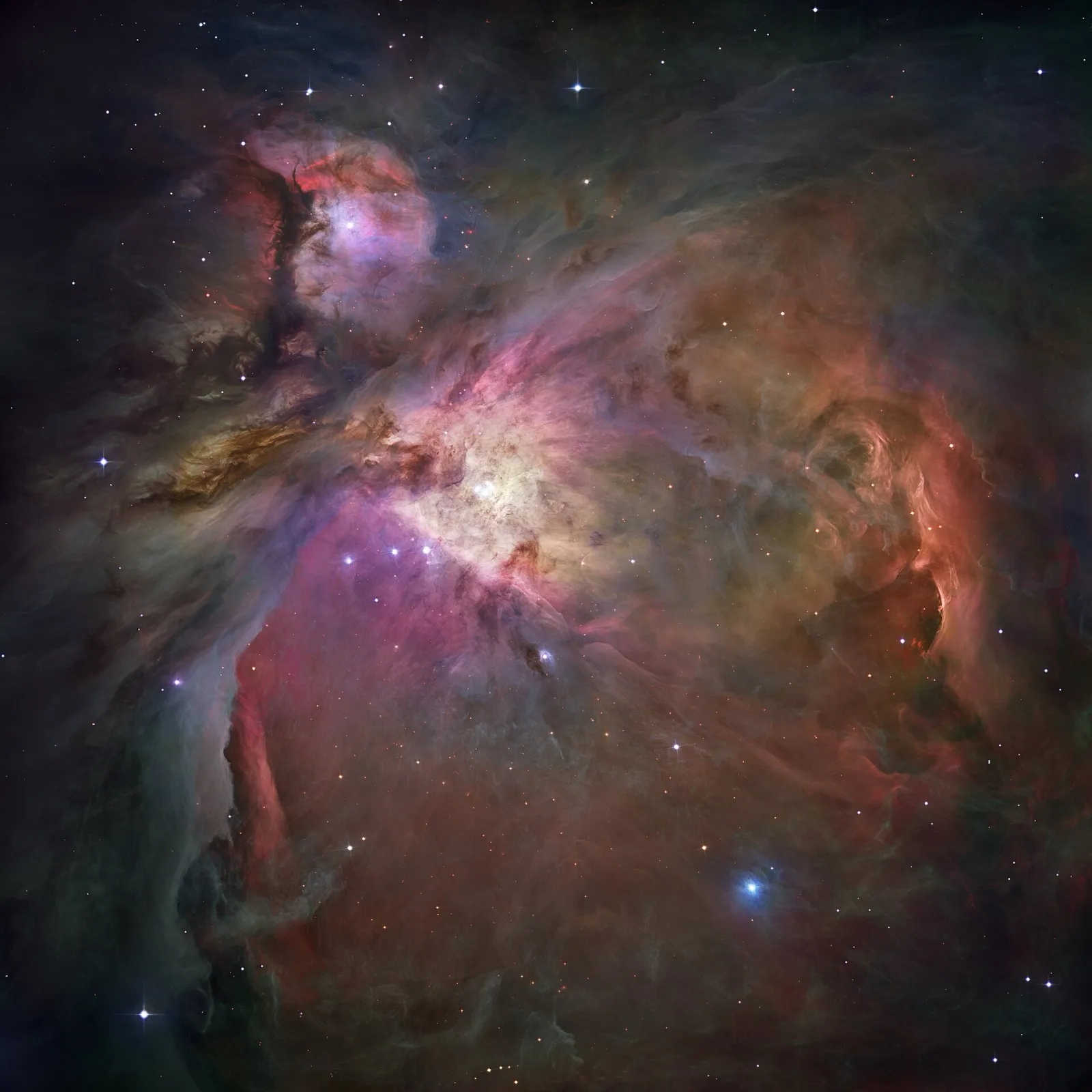 Orion Nebula
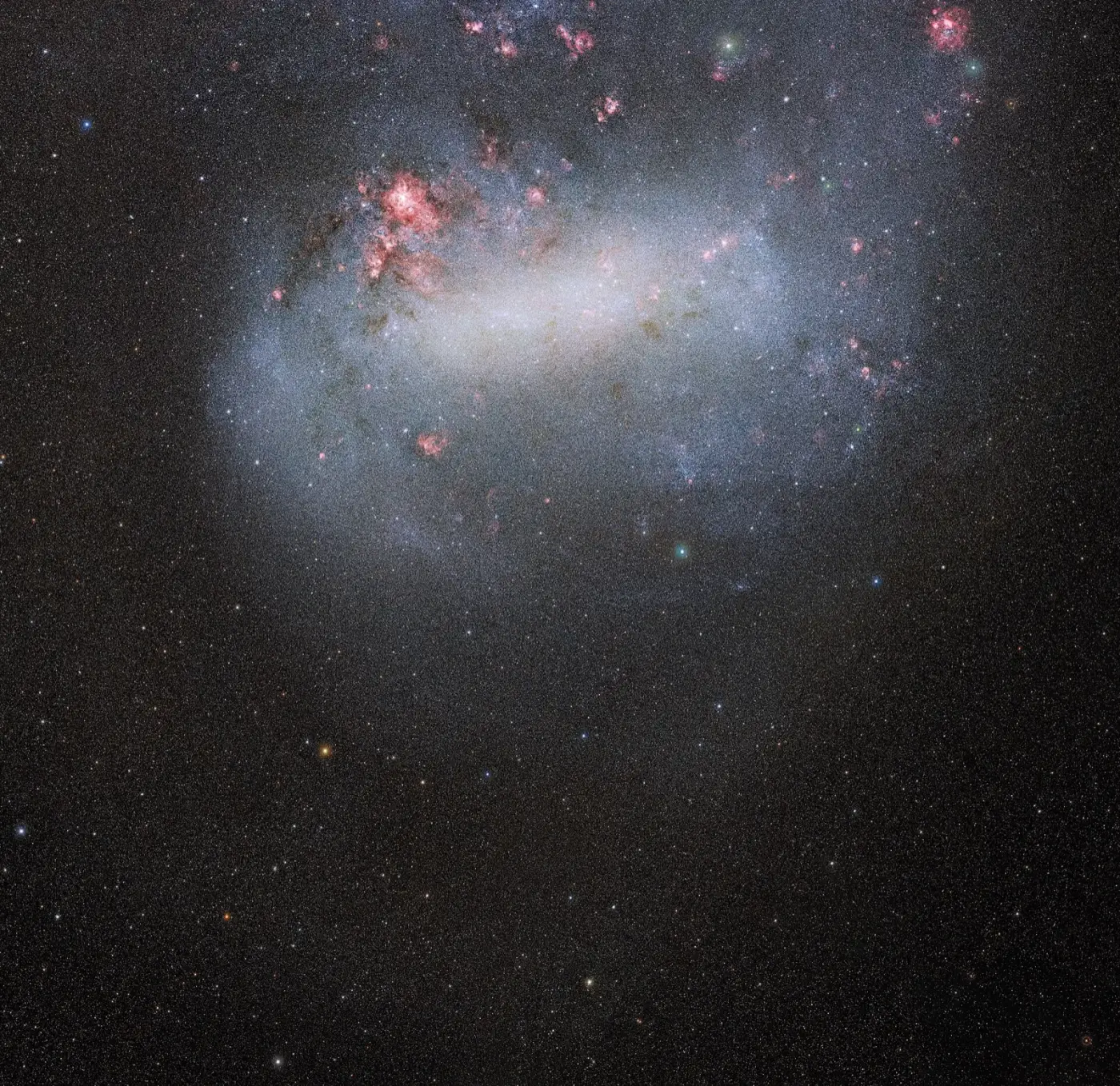 Large Magellanic Cloud